Explore our specialized range of chemical additives engineered to enhance the mechanical integrity, durability, and processing stability of reinforced polymers.
In modern engineering, polymers are increasingly replacing traditional materials like metals, glass, and wood. However, raw thermoplastic and thermosetting resins often lack the necessary mechanical properties to withstand heavy structural loads, extreme environmental stress, and long-term fatigue. This is where polymer additives for structural polymer reinforcement play a revolutionary role.
Structural reinforcement involves the integration of high-strength fibers (such as glass, carbon, or natural fibers) into a polymer matrix. However, the physical incorporation of these fibers is not enough. The interface between the organic polymer matrix and the inorganic reinforcing fibers must be chemically bridged to ensure efficient stress transfer. Additives such as coupling agents, compatibilizers, impact modifiers, and thermal stabilizers are essential components that make advanced composite materials viable.
Understanding how additives reinforce structural polymers requires looking at the molecular level. Below are the primary pathways through which additives enhance mechanical properties:
In the automotive and aerospace sectors, reducing component weight while maintaining structural safety is paramount. Utilizing advanced polymer additives allows manufacturers to achieve up to a 30% reduction in component weight compared to traditional steel or aluminum, directly contributing to lower carbon emissions and increased energy efficiency.

In order to meet the demand of "new and old kinetic energy conversion" and the higher demand for new material modification worldwide, the company has offered customized products/service to those who have need. Relying on the strong R&D capability, the company could offer package product or molecular-modified products.
The company insists the philosophy of 'appreciation, responsibility' all the time.
Qingdao Yihoo Polymer Technology Co., Ltd, located in Qingdao City, is an integrated enterprise with R&D and selling ability.
The industrial demand for structural polymer additives is shifting from general-purpose stabilizers to highly customized, multifunctional chemical packages. This transition is driven by demanding application environments where polymers are subjected to continuous mechanical load, UV radiation, and fluctuating temperatures.
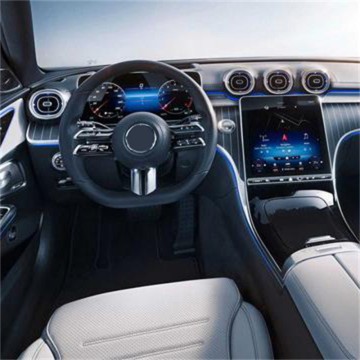
Modern automobiles utilize reinforced plastics for under-the-hood components, bumper beams, and structural interior trims. To meet strict vehicle cabin air quality standards, low VOC (Volatile Organic Compound) additives are critical. Additives must prevent thermal degradation during high-temperature injection molding while ensuring that the final parts do not release harmful emissions or unpleasant odors over time.
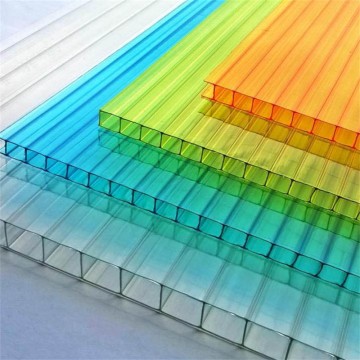
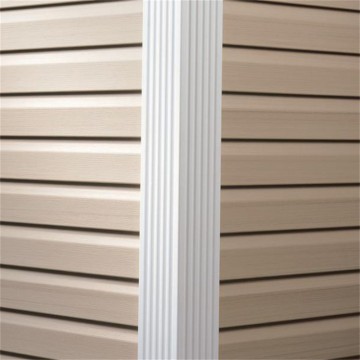
In construction, fiber-reinforced PVC, polyurethane foam insulation, and composite decking require long-term structural durability. UV stabilizers (such as hindered amine light stabilizers, or HALS) and primary/secondary antioxidant packages prevent the polymer matrix from yellowing, cracking, and losing its load-bearing capacity under intense outdoor exposure.
For electronic housings and aerospace structural components, polymers like polycarbonate (PC) and polyamide (PA) are combined with flame retardants and impact modifiers. These additives must exhibit excellent compatibility with the host polymer to maintain electrical insulation and high heat deflection temperatures (HDT).

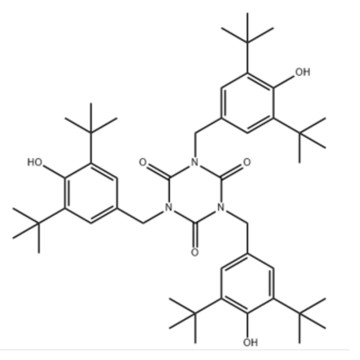
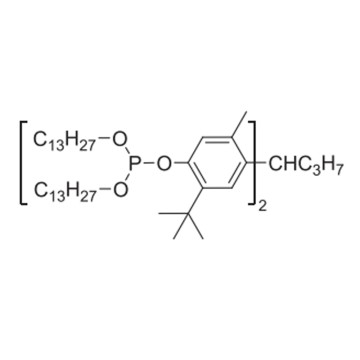
Explore our high-performance antioxidant and stabilizer ranges designed to protect structural polymers from degradation during processing and end-use.
The structural polymer industry is evolving rapidly, driven by sustainability goals and technological advancements. Key trends shaping the future of polymer additives include:
As industries push for high-content post-consumer recycled (PCR) plastics in structural parts, the role of restabilization additives becomes critical. Recycled polymers often suffer from degraded mechanical properties due to prior thermal history. Custom-designed chain extenders and compatibilizers allow PCR resins to achieve mechanical properties comparable to virgin materials, enabling their use in structural components.
To reduce dependency on petrochemicals, manufacturers are focusing on bio-degradable and bio-sourced additives. Natural fiber composites (e.g., wood-plastic composites) require highly specialized green coupling agents to overcome the inherent incompatibility between highly polar natural fibers and hydrophobic polymer matrices.
At Qingdao Yihoo Polymer Technology Co., Ltd., we leverage advanced material science concepts to predict molecular interactions between polymer chains, reinforcing agents, and stabilizers. This computational approach drastically reduces R&D cycles, allowing us to deliver customized additive packages tailored to specific structural reinforcement applications.


Stay updated with our latest technical breakthroughs, exhibition reviews, and deep-dive comparisons of polymer stabilizers.
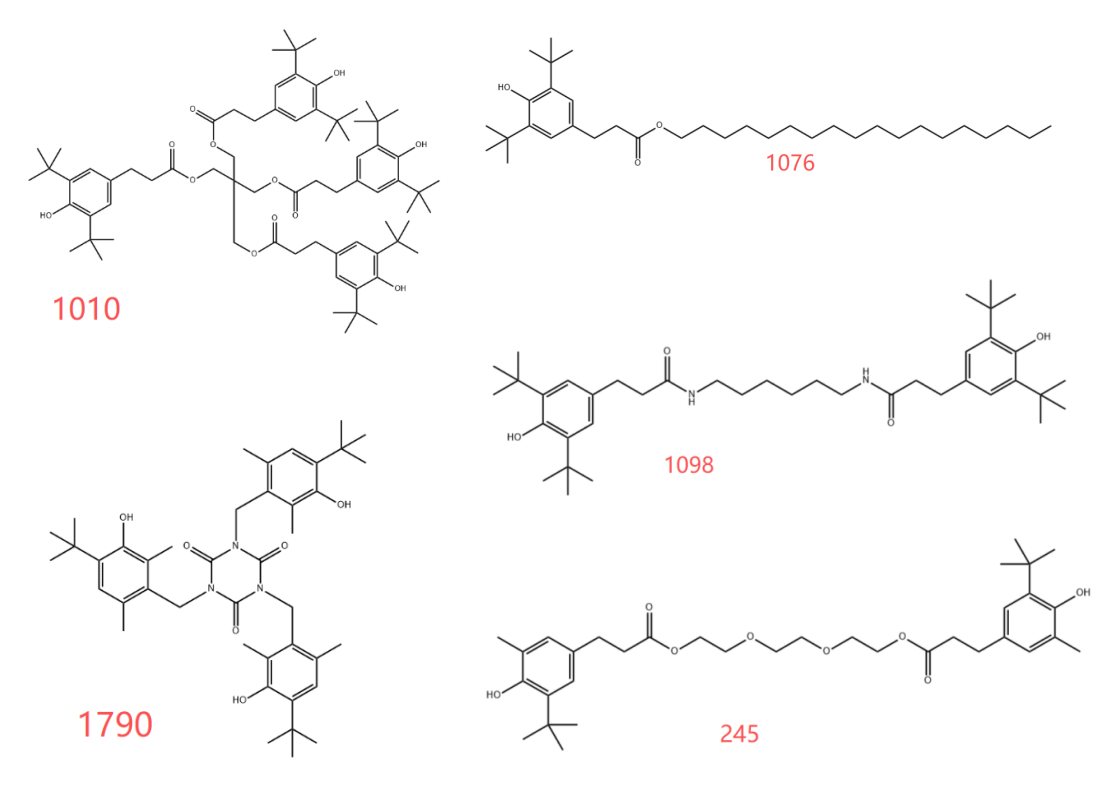
A comprehensive comparison guide on selecting the right primary antioxidant for structural and general polymer systems.
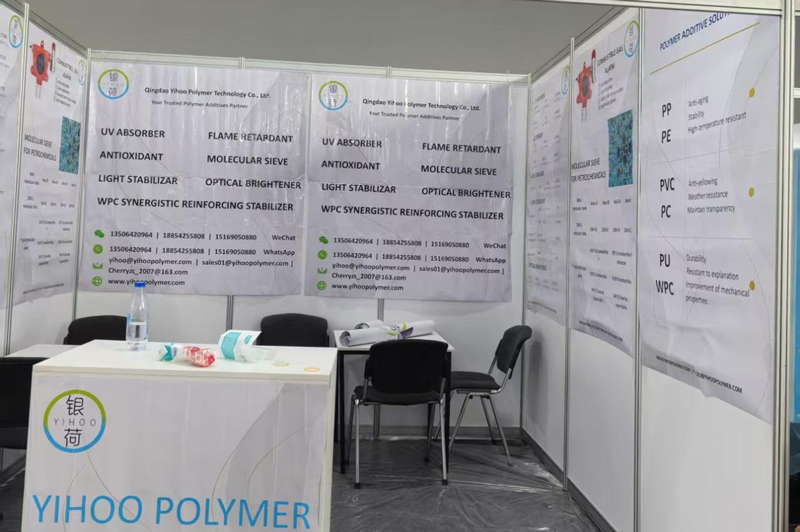
Showcasing our cutting-edge molecular modification solutions and structural additives to the Central Asian market.
An in-depth analysis of PVC stabilization mechanisms and mechanical reinforcement under high-stress conditions.
Browse our complete selection of polymerization and modification additives designed for specialized engineering applications.