The Global Evolution of Polymer Anti-Static Technologies
In modern materials science, electrostatic accumulation poses critical challenges across automated assembly, high-speed polymer processing, sensitive microelectronics packaging, and hazardous zone operations. Uncontrolled electrostatic discharge (ESD) generates electromagnetic interference (EMI), damages nanometer-scale integrated circuits, creates particulate contamination in cleanrooms, and even initiates catastrophic ignition in volatile chemical environments. Consequently, the commercial demand for Polymer Additives For Permanent Anti-Static Protection has transitioned from an operational option to a mandatory engineering standard.
Historically, standard anti-static solutions relied on low-molecular-weight surfactants—such as ethoxylated fatty amines, glycerol monostearates (GMS), and alkyl sulfonates. While cost-effective, these legacy additives depend entirely on migration to the polymer surface and subsequent absorption of atmospheric moisture to generate a conductive ionic film. Under low relative humidity conditions (< 20% RH), typical during winter shipping or inside climate-controlled cleanrooms, migratory agents lose dissipation efficacy. Furthermore, surface exudation leads to greasiness, fogging, poor printability, diminished ultrasonic welding strength, and inevitable depletion upon surface washing or wiping.
⚡
Percolation Network Integrity
Unlike migratory surfactants, inherently dissipative polymers (IDPs) and engineered ionic systems form irreversible molecular interpenetrating networks (IPNs) inside the host polymer matrix, ensuring decades of non-decaying surface conductivity.
💧
Zero Humidity Dependency
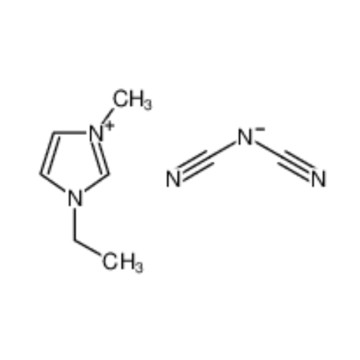
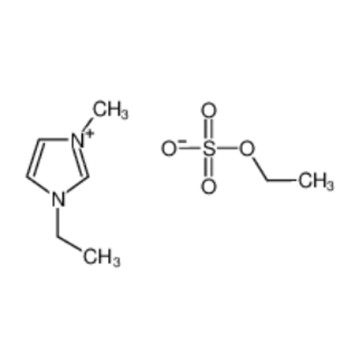
Advanced imidazolium-based ionic liquids (such as AS601 and AS603) and polyether-block-copolyamides function via intrinsic quantum ionic transport, retaining exact surface resistivities from 0% to 100% relative humidity.
🛡️
High-Clarity & Low-VOC Cleanliness
Designed for demanding cleanroom class 100 and automotive VDA 278 requirements, modern additive chemistries eliminate chalking, silicone cross-contamination, corrosive halide outgassing, and blooming.
Scientific Dissipation Mechanisms: Comparing Permanent Technologies
Achieving permanent anti-static performance without forfeiting base polymer mechanical and optical performance requires intricate phase morphology tuning. Modern chemical engineering relies on three primary pathways:
-
Inherently Dissipative Polymers (IDPs): Copolymers such as polyether-ester-amides (PEBA) or hydrophilic polyurethane segments form continuous micro-fibrillar networks during extrusion. Charge dissipation occurs via coordinated electron hopping along ether-oxygen segments, completely free of molecular migration.
-
Engineered Ionic Liquids (ILs) & Solid Salts: Imidazolium, phosphonium, and fluorinated sulfonimide salts (e.g., TFSI anions) disperse down to nanometer domains within polar and semi-polar polymers like PC, TPU, PMMA, and Polyamides. They offer ultra-low dosage efficiency (0.5%–3.0%) with near-zero optical haze.
-
Sub-Micron Conductive Carbon & Metal Hybrids: Highly structured conductive carbon blacks, carbon nanotubes (CNTs), and graphene platelets form electron-tunnelling pathways. While highly conductive, they impart opacity and alter polymer rheology, creating distinct application niches.
| Technology Type |
Surface Resistivity (Ω/sq) |
Humidity Sensitivity |
Optical Transparency |
Permanence & Washing Durability |
Migration / Surface Bloom |
| Traditional Surfactants (GMS/Amines) |
10¹⁰ – 10¹² |
Extreme (>50% RH required) |
Moderate Haze |
Temporary (Depletes rapidly) |
Severe Bleed-out |
| Permanent IDP Blends (PEBA/PEE) |
10⁸ – 10¹⁰ |
Zero Dependency |
Translucent / Milky |
Permanent (Lifelong) |
Non-Migratory |
| Ionic Liquids (AS601 / AS603 Imidazolium) |
10⁶ – 10⁹ |
Zero Dependency |
Crystal Clear (90%+ VLT) |
Permanent in Polymer Matrix |
Negligible / Non-Bloomed |
| Carbon Nanotubes / Graphene Hybrids |
10³ – 10⁷ |
Zero Dependency |
Opaque Black Only |
Indefinite |
Zero Migration |
Deep-Dive Industrial & Mission-Critical Application Scenarios
Selecting the appropriate permanent anti-static additive system necessitates rigorous alignment with process temperatures, resin polarity, regulatory limits, and mechanical durability profiles.
1. Semiconductor Manufacturing & Precision Electronics Handling
In semiconductor wafer packaging, Integrated Circuit (IC) shipping trays, and SMT carrier tapes, static charges as minimal as 100 volts can cause catastrophic gate oxide breakdown in sub-5nm microchips. Standard surfactants cannot be used because they vaporize under solder reflow heat or deposit residue onto chip bonding pads. Molecular permanent anti-static additives ensure uniform static decay times (< 0.1 seconds per MIL-STD-3010C) while preventing triboelectric charge buildup when delicate component packages slide against shipping carriers.
2. Automotive Cockpits, Battery Systems, and ADAS Radar Enclosures
Modern Electric Vehicles (EVs) combine high-voltage powertrains with autonomous sensor suites. Polymer additives such as YIHOO Low VOC Automotive Trim Additives deliver non-migratory anti-static performance that prevents dust attraction on sensitive cockpit displays, radar radomes, and lidar windows without producing windshield fogging. Moreover, in fuel transfer lines and hydrogen tank polymer liners, permanent conductive/dissipative polymers prevent sparks caused by fast-flowing hydrocarbons.
3. Cleanroom Consumables & Medical Diagnostic Enclosures
Within pharmaceutical cleanrooms and hospital environments, static fields attract airborne micro-particulates, spores, and bacteria. Permanent anti-static additives integrated into wall panels, ventilation ducting, pipette boxes, and diagnostic housings deliver continuous hygienic safety without leaching biocidal or chemical agents into sterile pharmaceutical active ingredients (APIs).
4. ATEX-Certified Industrial Bulk Packaging (FIBC) & Explosive Zones
Handling powders in chemical plants, grain elevators, and mining operations creates combustible dust clouds. Flexible Intermediate Bulk Containers (Type C and Type D FIBC bags) compounded with permanent anti-static masterbatches prevent brush discharges, ensuring full compliance with European ATEX directives and IEC 61340-4-4 standards.
Synergistic Formulations: Compounding with Stabilizers & Antioxidants
Achieving long-term electrostatic protection requires a balanced chemical formulation. High shear compounding temperatures (often exceeding 280°C in polycarbonate, polyamides, and PBT) can degrade conductive polymer phases if suitable process stabilizers are absent.
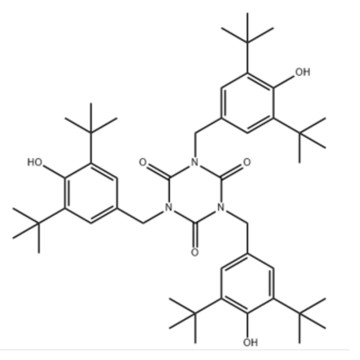
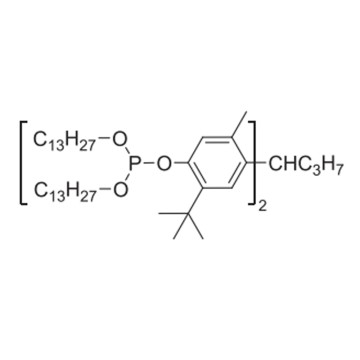
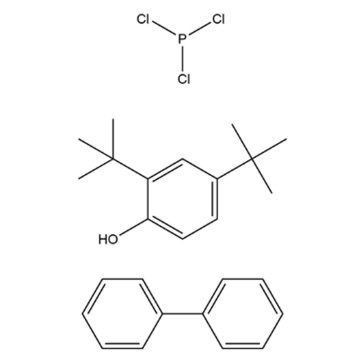
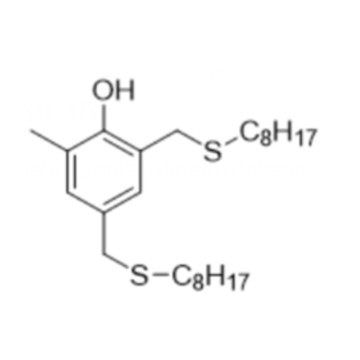
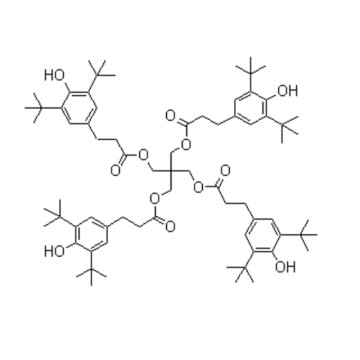
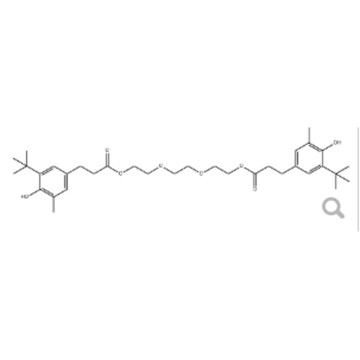
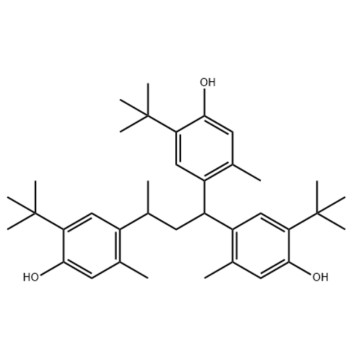
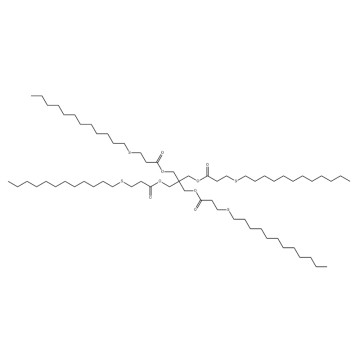
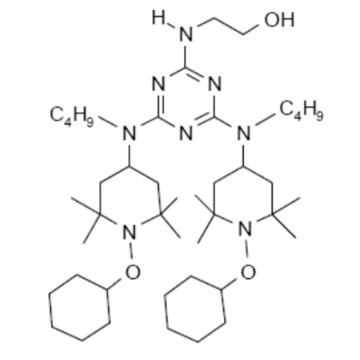
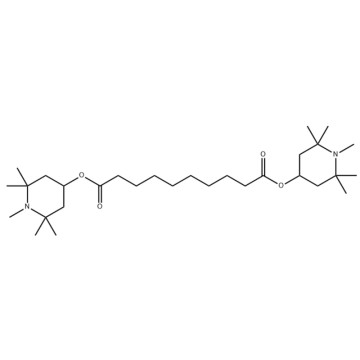
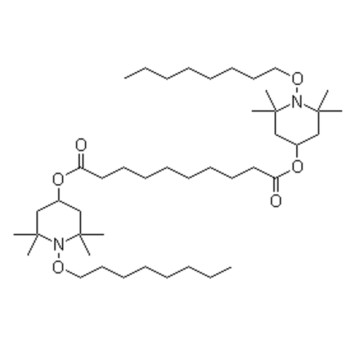
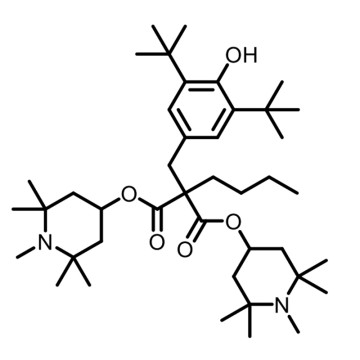
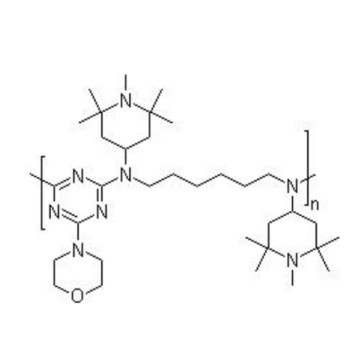
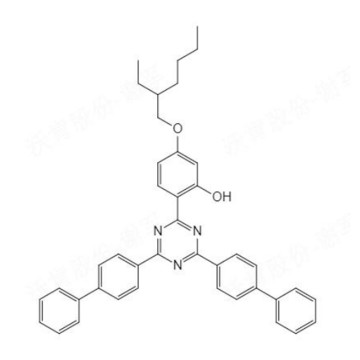
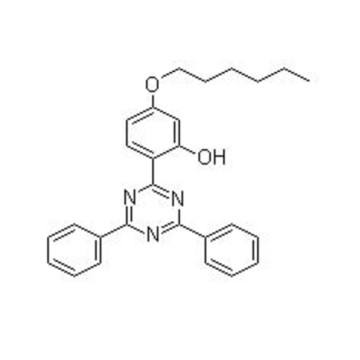
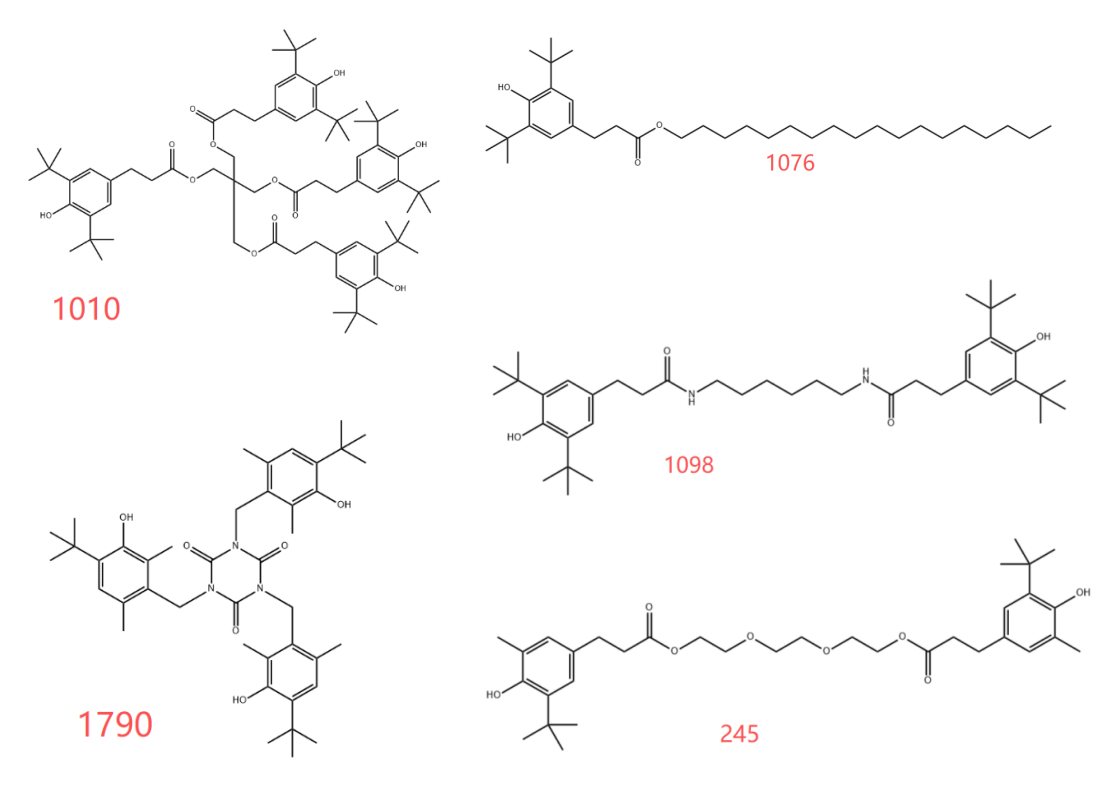
By pairing permanent anti-static complexes with sterically hindered phenolic antioxidants (such as AN1010, AN3114, or AN1520) and secondary phosphite antioxidants (such as AO PEPQ or AO4500), the polymer backbone is preserved against chain scission and thermo-oxidative discoloration. Furthermore, in exterior or high-radiation environments, incorporating triazine UV absorbers (such as UV1600, UV1577) alongside hindered amine light stabilizers (HALS like LS123, LS144) prevents photo-induced degradation of the conductive percolation matrix, assuring decades of dependable field performance.