The Essential Role of Coating Additives in Modern Petrochemical Catalysis
In the global energy and chemical landscape, the petrochemical industry stands as a cornerstone of modern industrial civilization. At the heart of this sector lies catalysis—a process that governs over 90% of chemical manufacturing routes. As global markets transition toward carbon neutrality, resource efficiency, and circular economies, the demand for high-efficiency petrochemical catalysis has reached an all-time high. To achieve this, chemical engineers are looking beyond the active metal sites of catalysts to the structural and interfacial environments where reactions occur. This is where specialized coating additives play a transformative role.
Coating additives for petrochemical catalysis are engineered chemical agents integrated into catalyst formulations, carriers, or reactor surfaces. They modify surface chemistry, control mass and heat transfer, prevent catalytic deactivation, and extend operational lifespans under extreme temperature and pressure conditions. By adjusting surface acidity, hydrophobicity, and mechanical integrity, these additives ensure that catalytic systems operate at their thermodynamic limits with minimal energy wastage.
"The integration of advanced coating additives represents a paradigm shift from traditional bulk catalyst design to precise surface engineering, enabling up to a 30% increase in selectivity and a significant reduction in coke formation."
Industrial Status and Market Dynamics
The petrochemical catalysis market is undergoing rapid evolution. Historically, catalyst development focused primarily on the discovery of new active metal phases (such as platinum, palladium, zeolites, and mixed metal oxides). However, synthesized catalysts often suffer from rapid deactivation due to coking, poisoning by sulfur or nitrogen compounds, thermal sintering, and mechanical attrition in fluidized bed reactors. Resolving these challenges via traditional metallurgy or bulk formulation is often cost-prohibitive.
Consequently, the industry has turned to surface modification technologies. High-performance coating additives have emerged as a highly cost-effective, scalable solution. By applying thin, tailored coatings to catalyst carriers (such as alumina, silica, or titania), manufacturers can precisely control the dispersion of active metals, regulate pore size distributions, and introduce protective barriers. The global market for catalyst-related coating additives is expanding rapidly, driven by the expansion of steam cracking, fluid catalytic cracking (FCC), reforming, and polymerization processes worldwide.
Key Application Scenarios in Petrochemical Processes
Coating additives are deployed across several critical stages of the petrochemical value chain. Below is a detailed analysis of their primary application scenarios:
🛡️
Anti-Coking & Anti-Fouling Coatings
In high-temperature hydrocarbon processing, carbon deposition (coking) on catalyst surfaces and reactor walls is a major cause of deactivation and pressure drop. Coating additives containing silica-alumina, rare-earth oxides, or specialized organosilicon compounds create inert, low-energy surfaces that inhibit the nucleation and growth of coke filaments, maintaining catalytic activity over extended cycles.
🔥
Thermal Stabilization & Sintering Prevention
Petrochemical reactions like steam reforming and dehydrogenation operate at temperatures exceeding 500°C to 800°C. Under these conditions, active metal nanoparticles tend to migrate and coalesce (sinter), reducing the available active surface area. Coating additives act as physical barriers and chemical anchors, stabilizing active phases on the support and preventing thermal degradation.
⚡
Pore Structure & Diffusion Optimization
Efficient mass transfer is critical in heterogeneous catalysis. If reactant molecules cannot diffuse rapidly to active sites, or if products cannot escape, secondary reactions occur, reducing selectivity. Polymeric and surfactant-based coating additives act as pore-directing templates during catalyst preparation. They ensure uniform pore distribution and prevent pore blockage during subsequent coating and drying phases.
🧪
Acidity & Selectivity Tuning
The surface acidity of catalyst supports directly influences reaction pathways. For instance, in isomerization or alkylation, excessive acidity leads to cracking and coke formation. Coating additives containing specific alkali or alkaline-earth metal complexes can neutralize unwanted acid sites on alumina or zeolite supports, refining selectivity toward target petrochemical monomers like propylene, ethylene, or BTX aromatics.
Deep Scientific Principles: How Coating Additives Work
To understand the high efficiency brought by these additives, one must examine the interfacial chemistry. When a coating additive is introduced, it undergoes physical adsorption or chemical bonding (chemisorption) with the hydroxyl groups on the surface of the catalyst carrier. This forms a monomolecular or oligomeric protective layer. For example, silane coupling agents or titanate additives create a bridge between inorganic supports and organic reactants, modifying the hydrophobic-hydrophilic balance of the catalyst pores.
Furthermore, in fluidized bed reactors (such as FCC units), catalysts are subjected to continuous mechanical friction. This leads to physical attrition, producing fine particles that clog filters and escape the reactor system. Attrition-resistant binder and coating additives, often based on colloidal silica or specialized polymer matrices, enhance the mechanical strength of catalyst microspheres without blocking active pore networks. This mechanical reinforcement directly translates to lower catalyst replacement costs and smoother plant operations.
Future Trends: Green Chemistry and AI-Driven Customization
The future of coating additives for petrochemical catalysis is defined by three major trends:
1. Sustainability and Low-VOC Formulations: As environmental regulations tighten, there is a strong push toward water-based, solvent-free, and low-VOC coating additives. Manufacturers are replacing hazardous organic solvents with aqueous emulsions and bio-based polymers that decompose cleanly during calcination without releasing toxic byproducts.
2. Smart and Self-Healing Coatings: Research is underway into smart coatings that dynamically adjust their properties based on reactor conditions. For example, a coating that increases its porosity at higher temperatures to accommodate increased gas flow, or a self-healing barrier that repairs micro-cracks formed during thermal cycling.
3. AI and Molecular Modeling: The integration of artificial intelligence and high-throughput screening allows researchers to simulate the interaction of coating additives with catalyst surfaces at the atomic level. This accelerates the design of customized additives tailored for specific feedstocks, such as bio-based naphtha or recycled plastic pyrolysis oils, which contain higher levels of impurities than fossil-based feedstocks.
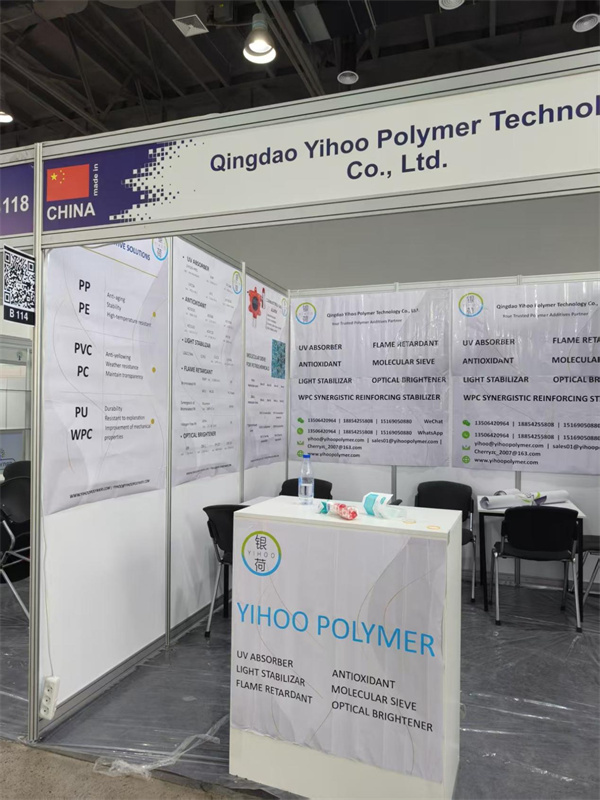
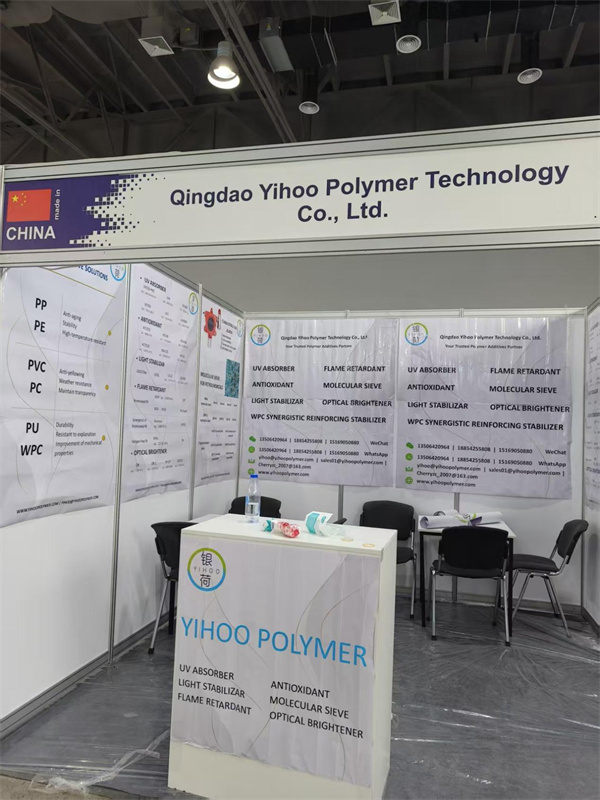
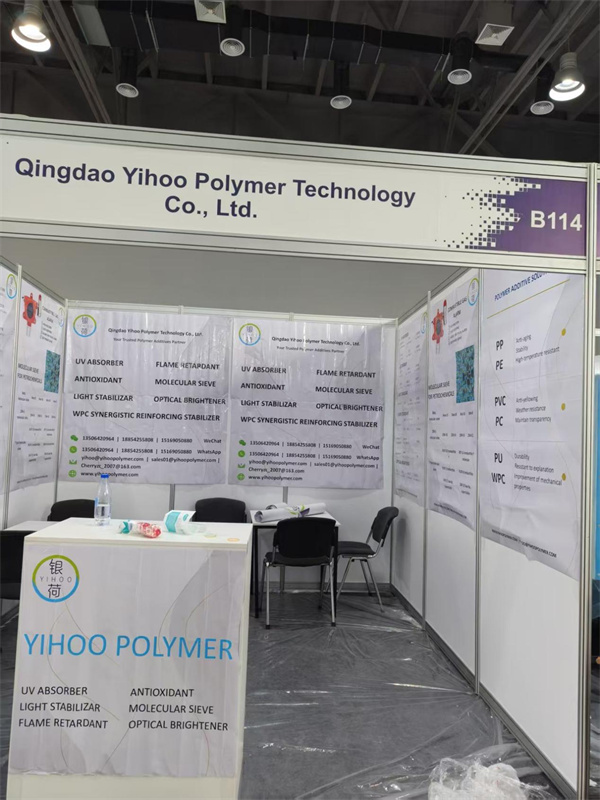
Qingdao Yihoo: Your Partner in Advanced Polymer and Catalyst Additives
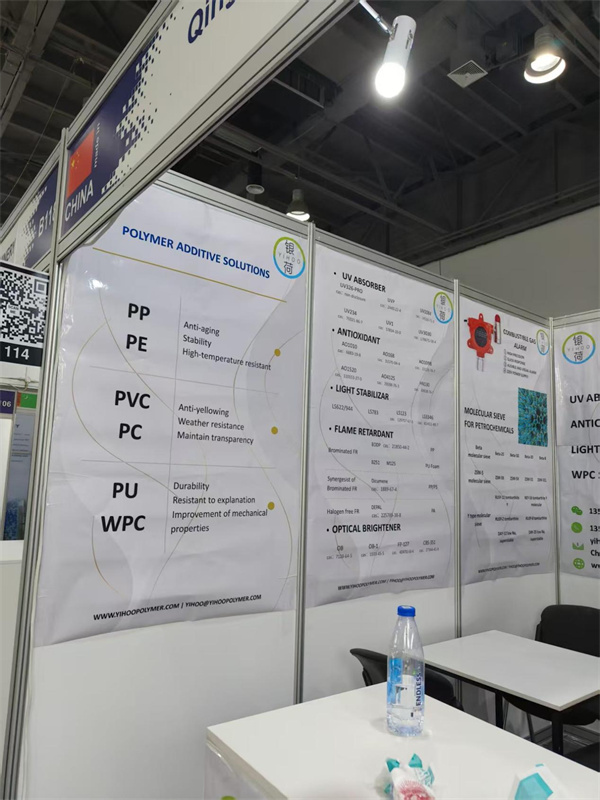
As a leading integrated enterprise with robust R&D and sales capabilities, Qingdao Yihoo Polymer Technology Co., Ltd. is at the forefront of polymer and chemical additive innovation. Recognizing the diverse needs of the petrochemical and polymer modification industries, we provide comprehensive, customized solutions rather than single-product offerings. Our product portfolio spans PA polymerization & modification additives, PU foaming additives, PVC polymerization & modification additives, PC modification additives, TPU elastomer modification additives, and low-VOC automotive trim additives.
By leveraging our strong R&D partnerships in Mainland and Taiwan China, we specialize in the "Segment-of-One" approach. We work closely with chemical manufacturers to develop tailored molecular-modified products and one-pack additives that optimize catalytic polymerization, enhance anti-aging properties, and improve flame retardancy. Strategically located in the seaside city of Qingdao, we utilize the logistics advantages of Qingdao and Shanghai ports to deliver efficient, reliable shipping and technical support to our global clientele.