China PVC Polymerization & Modification Additives - Leading Suppliers & Factory for High-Quality Solutions
Product Description
Polyvinyl chloride (PVC) is a polymer of vinyl chloride monomer (VCM) polymerized by peroxide, azo compounds, and other initiators or by a free radical polymerization reaction mechanism under the action of light and heat. Vinyl chloride homopolymer and vinyl chloride copolymer are collectively referred to as vinyl chloride resin.
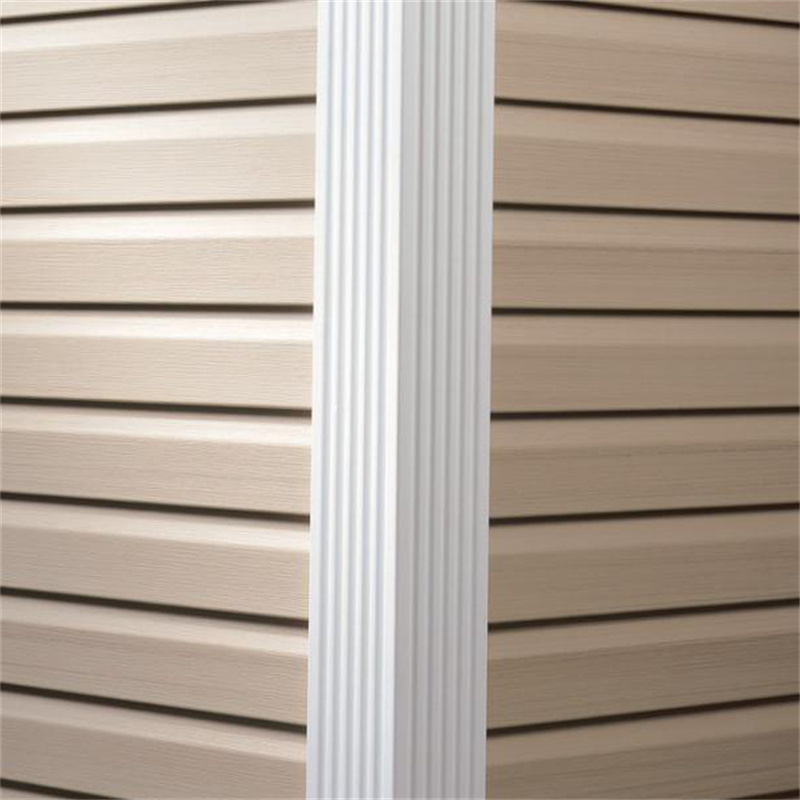
PVC used to be the largest general-purpose plastic in the world and was widely used. It is extensively applied in building materials, industrial products, daily necessities, floor leather, floor bricks, artificial leather, pipes, wires and cables, packaging film, bottles, foaming materials, sealing materials, fibers, and so on.
Material Characteristics & Stability: PVC is an amorphous structure of white powder with a low degree of branching. Its glass transition temperature is 77~90℃, and it begins to decompose at 170℃. Meanwhile, it exhibits poor stability to light and heat: it decomposes and produces hydrogen chloride above 100℃ or after prolonged exposure to sunlight, causing auto-catalytic degradation, discoloration, and a decline in physical and mechanical properties. In practical applications, stabilizers or other additives must be added to improve the stability of PVC.
The company could offer below PVC foaming additives:
| Classification | Product | CAS | Counter Type | Application |
|---|---|---|---|---|
| ANTIOXIDANT | YIHOO AN245DW | 36443-68-2 (35%) 7732-18-5 (65%) |
SONOX 2450DW | Mainly used in styrene, synthetic rubber, POM homopolymer and copolymer, PU, PA, PET, MBS, and PVC. |
| YIHOO AN333 | 77745-66-5 | JP333E | Phenol-free antioxidant, used as an auxiliary heat stabilizer in PVC, improving the color and transparency of PVC products. It can also be used in rubber and PU materials to improve the aging resistance of products. | |
| YIHOO HP136 | 181314-48-7 | — | It can provide active hydrogen to regenerate blocked phenolic antioxidant and reduce the added ratio of the two AOs. Suitable for high temperature processing applications, PP, BOPP membrane material, PC transparent recycled material, styrene polymer, PPR pipe material, TPU, adhesive, etc. |
To provide polymer additives in more specific applications, the company has established a comprehensive product series covering the following applications:
PA Polymerization & Modification Additives
PU Foaming Additives
PVC Polymerization & Modification Additives
PC & TPU Elastomer Additives
Low VOC Automotive Trim Additives
Textile Finishing & Coating Additives
Cosmetics Additives & API
Chemical Products (e.g., Zeolite)
You are always welcome to contact us for inquiries!
Frequently Asked Questions (FAQ)
What is Polyvinyl Chloride (PVC) and how is it synthesized? ▼
Polyvinyl chloride (PVC) is a polymer produced from vinyl chloride monomer (VCM) through polymerization initiated by peroxide, azo compounds, or free radical mechanisms under the influence of light and heat.
Why are stabilizers and additives necessary in PVC processing? ▼
PVC has an amorphous structure and poor light and thermal stability. It begins to decompose at 170℃ and releases hydrogen chloride at temperatures above 100℃ or under extended sunlight exposure. This degradation leads to discoloration and a decline in mechanical properties, making stabilizers and additives essential for stability.
What are the typical end-use applications of PVC? ▼
PVC is widely used in building materials, industrial goods, daily necessities, floor leather, floor bricks, artificial leather, pipes, wire and cable jacketing, packaging film, bottles, foaming materials, sealing elements, and synthetic fibers.
What PVC antioxidant additives are available in the product line? ▼
The portfolio features high-performance antioxidants including YIHOO AN245DW (Counter type: SONOX 2450DW), YIHOO AN333 (phenol-free auxiliary heat stabilizer, Counter type: JP333E), and YIHOO HP136 (active hydrogen donor for phenolic AO regeneration).
What other chemical and additive product series do you offer? ▼
In addition to PVC foaming additives, product series cover PA polymerization & modification additives, PU foaming additives, PC additives, TPU elastomer additives, low VOC automotive trim additives, textile finishing additives, coating additives, cosmetics additives, APIs, and specialty chemicals like zeolite.
How can I submit inquiries or request technical specifications? ▼
You are always welcome to contact our team directly for product specifications, technical data sheets, counter-type matching, or commercial quotations.