Polymer additives are basically carefully chosen ingredients that help plastics perform better, process more smoothly, and last longer. They can add flexibility, strength, color, flame resistance, or UV protection. Take a clear polypropylene storage box—stabilizers in it can help keep it from yellowing when it sits near a sunny window. And a soft cable jacket? Plasticizers might be in there to keep it flexible through all that bending.
But their job starts way before production does. Materials engineers look at the polymer itself, the processing temperature, where it'll be used, and how long it's expected to last. They might test antioxidants, impact modifiers, lubricants, pigments, or antimicrobial agents in small lab batches. A compound that works great in injection molding can act totally different during film extrusion. Even tiny dosage changes can affect odor, surface appearance, recycling performance, and mechanical strength.
No formulation is ever perfect, though. Trade-offs are real. An additive can make something more flexible but less stiff. Better heat resistance might cost more or make processing trickier. So experienced teams pull together supplier data, lab testing, production trials, and documented quality controls. They also check safety requirements and customer specs before signing off on a formulation. Testing needs to mimic real conditions—heat, moisture, sunlight, abrasion, repeated loading. Simple claims usually aren't enough.
This guide walks you through what Polymer Additives do and why manufacturers use them. It also looks at selection, performance limits, compatibility, and responsible use. The practical lesson? Additives aren't universal shortcuts. They're technical tools that need evidence, careful measurement, and sometimes a second look.
What Are Polymer Additives?
What Are Polymer Additives?
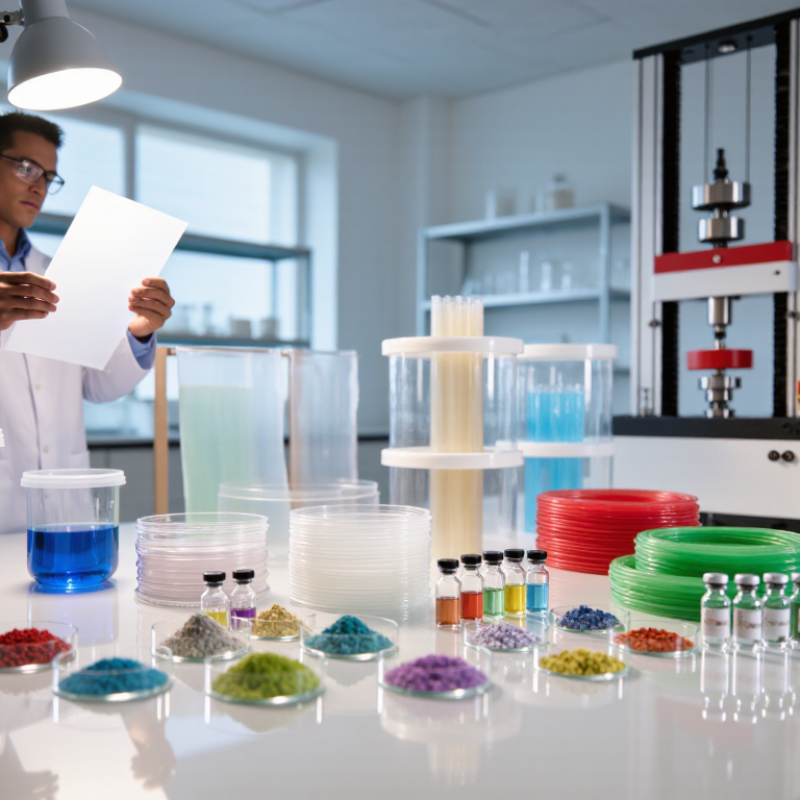
Polymer additives are functional ingredients blended into plastics during compounding or processing. They are not the main polymer matrix. Instead, they adjust performance, appearance, processing behavior, or service life. Common examples include antioxidants, light stabilizers, plasticizers, lubricants, pigments, nucleating agents, and flame-retardant systems.
Their importance grows with production volume. The OECD’s Global Plastics Outlook reported global plastic production of 460 million tonnes in 2019, nearly double the 234 million tonnes recorded in 2000. PlasticsEurope also reported 400.3 million tonnes of global plastics production in 2022. These figures show why small additive decisions can affect millions of finished parts. In extrusion, an additive may reduce melt friction and prevent surface defects. In outdoor products, stabilizers can slow color fading and cracking under sunlight. Yet one additive rarely solves every problem. That assumption often fails.
Tips: Ask a Polymer Additives Supplier for dosage guidance, compatibility data, and processing temperatures. Test the compound under actual humidity, heat, and loading conditions. A sample may look perfect on a laboratory sheet, but behave differently inside a fast injection-molding cycle. Check regulatory documentation for the intended market. Also review migration, odor, recyclability, and worker-handling data. Practical experience matters here, although it can still miss an unexpected interaction between additives.
Why Polymer Additives Are Added to Plastics
Polymer additives are functional ingredients blended into plastics during compounding. They help polymers survive heat, sunlight, impact, moisture, and repeated handling. This matters because global plastic production reached about 413.8 million tonnes in 2023, according to PlasticsEurope’s Plastics—the Fast Facts 2024 report. Even small performance improvements can affect millions of tonnes of products.
Why add them? A clear outdoor panel may become brittle after months of ultraviolet exposure. Uv Additives absorb harmful radiation or stabilize the polymer’s molecular structure. Plasticizers improve flexibility, while antioxidants reduce damage during processing. Flame retardants, impact modifiers, nucleating agents, and antistatic additives solve different formulation problems. Each choice changes cost, appearance, recyclability, and processing behavior. There is no universal package.
Testing remains essential. Laboratories commonly use ISO 4892-2 or ASTM G154 methods to compare accelerated weathering results. A 2022 OECD report estimated that 353 million tonnes of plastic waste were generated worldwide in 2019, highlighting the need for longer service life and better end-of-life planning. Yet longer life is not automatically better. Some additives can complicate recycling or require migration assessments for food-contact applications. That trade-off deserves more attention. In practice, a formulation engineer may adjust additive levels after observing color fading, surface cracking, or odor during production. Laboratory data helps, but field exposure can still surprise us.
Major Types of Polymer Additives
Polymer additives are small-dose ingredients that change how plastics, elastomers, and coatings perform. Major types include plasticizers, antioxidants, UV stabilizers, flame retardants, processing aids, and impact modifiers. Plasticizers improve flexibility, while antioxidants slow oxidation during heating and storage. UV stabilizers help outdoor products resist sunlight, fading, and cracking. Rubber Additives support elasticity, curing, abrasion resistance, and long service life in seals and tires. These functions matter on a factory floor, where a few degrees of processing heat can affect surface quality.
Market figures show strong industrial demand. MarketsandMarkets estimated the global polymer additives market at about USD 56 billion in 2023, with continued growth expected through 2028. Its report also notes rising demand from packaging, construction, automotive, and electrical applications. However, estimates differ between research firms because product categories and regional data vary. That uncertainty deserves attention. A technically attractive additive may still create odor, migration, recycling, or regulatory concerns. Performance is never the only test.
Tips: Match the additive to the polymer, temperature, exposure, and end use. Start with supplier technical data, then confirm results through laboratory aging and pilot-scale processing. Check dispersion under a microscope when possible. Small dosage changes can alter color, stiffness, and surface feel. In my experience, “more additive” is not automatically better; overdosing can weaken performance and complicate recycling. Keep batch records, including moisture, mixing time, and melt temperature. These details often explain failures better than the formulation sheet.
How Polymer Additives Improve Material Performance
What Are Polymer Additives and What Are They Used For?
Polymer additives improve how plastic materials perform during processing and daily use. They can increase flexibility, reduce brittleness, slow oxidation, or protect surfaces from ultraviolet light. A small dosage can change a material’s behavior significantly. That matters.
For example, a flexible additive helps a polymer bend without cracking in a cable jacket or seal. Heat stabilizers protect components exposed to repeated temperature changes. Flame-retardant systems can reduce ignition risk when properly selected and tested. Lubricating additives may also help molten polymer flow through narrow molds, reducing surface defects and energy use.
In production trials, engineers usually compare strength, impact resistance, color stability, and long-term aging. They also examine how an additive affects recycling, odor, migration, and processing temperature. One solution rarely improves every property. Increasing flexibility may reduce hardness, while improving UV resistance can affect color or cost. Small changes count.
Reliable formulation requires compatibility testing, controlled dosing, and performance data from the intended service environment. Laboratory results can look excellent, yet humidity, sunlight, pressure, or repeated bending may reveal weaknesses later. This is where experience becomes valuable. Engineers should test finished products, not only raw compounds. Some additive combinations also interact unexpectedly, so assumptions need verification. The best formulation is not always the most complex one.
What Are Polymer Additives Used For?
Typical additive loading ranges used to improve polymer processing, durability, flexibility, strength, and fire performance
Polymer additives are blended into plastics in small or moderate amounts to adjust specific properties.
Antioxidants and UV stabilizers help reduce degradation, plasticizers increase flexibility, flame retardants
improve fire resistance, nucleating agents support faster crystallization, and fillers can increase stiffness,
dimensional stability, or cost efficiency. The ranges shown are representative formulation levels; the final
amount depends on polymer type, processing conditions, regulatory requirements, and the target performance.
Data basis: commonly reported industrial polymer-compounding dosage ranges, expressed as weight percent of the formulation.
Common Applications Across Polymer Industries
Polymer additives are carefully selected ingredients that change how plastics behave during processing and service. They can improve flexibility, strength, color stability, flame resistance, or protection from sunlight. Some help molten polymer flow through narrow equipment. Others reduce surface friction or prevent unwanted oxidation. Small amounts can make a noticeable difference.
Packaging uses additives to support toughness, clarity, sealing, and moisture resistance. A food container may need to survive filling, transport, and repeated handling without cracking. In automotive parts, stabilizers and impact modifiers help components endure heat, vibration, and sunlight. Construction products often use additives to improve weather resistance, flexibility, and long-term durability. Electrical housings may require flame-resistant performance and stable insulation. Medical materials demand especially careful formulation and testing. Tiny changes matter.
Effective Polymer Solutions begin with the application, not a fashionable ingredient. Engineers examine temperature, stress, humidity, processing speed, and expected service life. Compatibility is essential. An additive that performs well in one resin may weaken another. Testing should include aging, mechanical performance, appearance, and extractable substances when relevant. No formulation is perfect. Unexpected interactions can appear after months of exposure, not during a quick factory trial. I have found that practical testing often reveals limits that laboratory assumptions miss. Clear records, controlled batches, and qualified technical review make decisions more reliable.
Factors for Selecting the Right Polymer Additive
Polymer additives are small amounts of materials blended into plastics to improve processing, durability, appearance, or performance. They can reduce oxidation, increase flexibility, improve flame resistance, or protect surfaces from ultraviolet exposure. The right additive depends on more than the polymer name. Polyethylene used for outdoor piping needs different protection from polypropylene used in food containers.
Selection should begin with the final application. Check operating temperature, sunlight, moisture, mechanical stress, and expected service life. Processing conditions matter too. High shear or long residence times can damage sensitive additives. Compatibility is equally important. A poorly matched additive may cause haze, surface blooming, weak bonding, or unexpected odor. I have found that laboratory results can look excellent, yet extrusion trials reveal feeding problems or color changes. Small pilot batches are valuable. They expose practical weaknesses early.
Tips: Compare technical data sheets, safety information, and migration requirements before testing. Start with the lowest effective dosage, then measure strength, color, odor, and aging performance. Test the finished product, not only the additive blend. Independent laboratory data can improve confidence, especially when claims involve long-term durability. Avoid choosing only by price. A cheaper additive may require higher dosage or create processing losses. One limitation is easy to overlook: accelerated aging does not perfectly reproduce real weather. Keep reviewing field evidence, because the first formulation is rarely the final answer.
Conclusion
Polymer Additives are specialized substances blended into plastics and other polymer materials to improve their processing, appearance, durability, and performance. They can help control flexibility, strength, color, UV resistance, flame behavior, oxidation, static electricity, and resistance to heat or moisture. By modifying the properties of a polymer, additives allow manufacturers to create materials that better suit specific technical and practical requirements.
Major types include plasticizers, stabilizers, antioxidants, colorants, flame retardants, impact modifiers, lubricants, fillers, and antimicrobial agents. These additives are used across packaging, construction, automotive, electronics, agriculture, medical products, and consumer goods. Selecting the right additive requires careful consideration of the polymer type, processing temperature, desired performance, compatibility, concentration, appearance, durability, environmental impact, and regulatory requirements. A suitable choice can improve product quality, extend service life, reduce manufacturing difficulties, and provide a balanced combination of performance and cost.