inquiry
Leave Your Message
0%

Picking the right PVC stabilizer isn’t just about comparing prices. It’s actually a pretty technical decision that depends on things like heat history, formulation, the equipment you’re using, and market regulations. It’s not as simple as just looking at the sticker price.

Did you know that Grand View Research estimates the global PVC market was worth around USD 45 billion back in 2023? And they’re actually projecting it’ll keep growing through 2030, thanks to things like construction, healthcare, packaging, and electrical needs. Similarly, Ceresana’s market study on plastic stabilizers mentions lots of demand for pipes, profiles, cables, and flooring. That really shows how big the industry is, but it doesn’t tell you everything about potential risks. For example, a stabilizer that works great in making rigid window frames might totally struggle when it comes to flexible cable insulation. Processing conditions, like temperature and residence time, matter a lot—which screw design you’re using can even change how things turn out.

Michael Schiller, who wrote the book PVC Additives, points out that stabilizers are actually some of the most important additives in PVC. And honestly, that’s worth paying attention to. When you’re choosing, don’t just go by what the datasheet says. Instead, compare different systems—like calcium-zinc, organotin, or blends—based on what you actually need for your final product. Ask for detailed data on thermal stability, plate-out, odor, migration, and batch consistency. And it’s a good idea to test samples in real production settings before making a big move. Little details can make a huge difference.

Now, no spreadsheet can catch all the surprises that can come up in a factory. That’s where sourcing gets a bit tricky. A dependable supplier should be transparent about where their raw materials come from, how they control quality, and the support they offer. They should also be upfront about any limitations—nothing is perfect. The key is to find a balance: performance, compliance, cost, and supply security, especially across different regions. Reports help guide your choice, but doing small-scale tests in real-world conditions really builds your confidence.

How to Choose the Right PVC Stabilizer for Global Sourcing?

Define the Role of PVC Stabilizers in Polymer Processing

PVC stabilizers are essential processing aids, not optional additives. They absorb hydrogen chloride released during heating. This protects the polymer from discoloration, chain degradation, and brittleness. They also support smoother fusion, steadier torque, and a wider processing window.

The commercial scale is significant. Grand View Research estimated the global PVC market at about USD 45.7 billion in 2023. Fortune Business Insights reported a similar market scale, although its forecast scope differs. Such volume makes stabilizer selection a sourcing decision, not merely a formulation detail. Calcium-zinc systems may suit many pipes, profiles, and cables. Organotin systems can provide strong transparency and heat stability for selected applications. The correct choice still depends on residence time, processing temperature, color requirements, and finished-product regulations. A cheaper grade may create more scrap. That lesson is easy to miss.

Tips: Request a current technical data sheet, safety data sheet, and certificate of analysis. Test three production lots, not one sample. Check initial color, heat aging, fusion time, plate-out, and odor. Compare results under the buyer’s actual equipment settings. Also confirm regional chemical restrictions before global purchasing. A stabilizer that performs well in a dry climate may behave differently in humid storage. This is not always dramatic. Small changes matter. Supplier audits, retained samples, and batch traceability improve reliability. ASTM and ISO test methods can strengthen comparisons, but laboratory results never replace a controlled plant trial.

How to Choose the Right PVC Stabilizer for Global Sourcing?

PVC stabilizers protect the polymer from heat and shear during processing by reducing dehydrochlorination, discoloration, and loss of mechanical performance. The chart shows typical formulation dosage ranges for major stabilizer families.

Dosage is expressed in phr, meaning parts per hundred parts of PVC resin. Actual requirements vary with resin type, processing temperature, residence time, product color, regulatory requirements, and additive package compatibility. Lead-based systems remain restricted or unsuitable for many global applications, while calcium-zinc and organic-based systems are commonly evaluated for regulatory compliance.

Identify the Key Performance Needs of Your PVC Application

How to Choose the Right PVC Stabilizer for Global Sourcing?

Identify the Key Performance Needs of Your PVC Application

The right PVC stabilizer starts with the application, not the supplier’s catalog. A rigid window profile faces different stresses from flexible cable insulation. Define the processing temperature, residence time, shear level, and target color before comparing formulations. These details control heat stability, initial color, and long-term appearance.

In extrusion trials, I have seen a material pass a short laboratory test but darken after repeated production runs. Real equipment matters. Check melt temperature near the die, screw design, ventilation, and production speed. For outdoor products, test weathering and color retention under realistic exposure. For electrical applications, review insulation performance, volatility, and relevant safety requirements. Food-contact or sensitive-use products require documented compliance for the destination market.

Ask for technical data, safety documents, batch consistency records, and recommended storage conditions. Then run a controlled trial using your own resin, pigments, lubricants, and recycled content. Small details matter. Stabilizer demand can change when another additive changes fusion behavior. A neat specification may still miss factory conditions. That is the uncomfortable part. Do not rely on one successful batch. Compare several lots, record processing torque, plate-out, color shift, and mechanical results, then judge performance against measurable application needs.

Compare Calcium-Zinc, Organotin, and Lead Stabilizer Systems

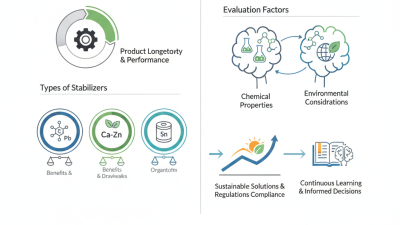
Choosing a PVC stabilizer requires more than comparing prices. For Pvc Outdoor profiles, calcium-zinc systems offer a practical balance of weatherability, processing safety, and regulatory acceptance. They suit window frames, siding, and cable conduits, especially when extrusion temperatures fluctuate. However, formulation quality matters. Poor calcium-zinc dispersion can create yellowing or surface marks around a die.

Organotin systems usually deliver excellent initial color, transparency, and long-term heat stability. They can perform well in clear sheets and demanding rigid applications. Their higher cost may be justified when appearance is critical. Calcium-zinc is often more attractive for large-volume sourcing. The VinylPlus 2024 Progress Report recorded 810,775 tonnes of PVC recycled in Europe during 2023, increasing pressure for stabilizers that support cleaner recycling streams.

Lead systems remain technically efficient, particularly for heat resistance and established processing lines. Yet their compliance risk is substantial. European Commission Regulation (EU) 2023/923 restricts lead in PVC articles to 0.1% in many applications, with limited transitional conditions. Requirements differ across markets, so a global buyer should verify destination rules, recycled-content controls, and supplier declarations. A neat spreadsheet can still mislead. I would request weathering data, torque curves, migration results, and five-year field references before approval. Small pilot runs often reveal problems hidden by laboratory plaques.

Evaluate Regulatory, Safety, and Environmental Requirements

Choosing a PVC stabilizer for global sourcing requires more than comparing price and thermal performance. Regulatory acceptance can change by market, product use, and concentration. Check current requirements for chemical registration, restricted substances, food contact, toys, cables, and construction materials. A stabilizer approved for one application may fail another.

Ask suppliers for a complete Safety Data Sheet, technical data sheet, composition disclosure, and batch Certificate of Analysis. Verify limits for lead, cadmium, organotin compounds, phthalates, and other restricted substances. Independent laboratory testing can confirm the results. Do not rely only on a supplier declaration. A certificate can look complete and still leave gaps.

Safety also covers factory handling. Review dust levels, ventilation, protective equipment, and emergency procedures. For outdoor PVC, assess UV performance and the environmental profile of the Light Stablizer. Examine persistence, wastewater concerns, recyclability, and disposal conditions. Request evidence from controlled tests, not vague claims. Supplier traceability matters when regulations change quickly. Keep production samples, test dates, and formulation records. My own review process sometimes focuses too heavily on paperwork. A site visit may reveal poor storage, unclear labels, or inconsistent housekeeping. Those details can affect worker safety and product reliability. Consider local enforcement practices, import documentation, and the final product’s full service life before approving a source.

Assess Compatibility, Dosage, and Processing Conditions

How to Choose the Right PVC Stabilizer for Global Sourcing?

Assess Compatibility, Dosage, and Processing Conditions

Choosing a PVC stabilizer for global sourcing requires more than comparing prices. The critical questions concern compatibility, dosage, and processing conditions. A stabilizer should work with the resin, plasticizer, lubricant, pigment, and impact modifier used in the formulation. Even a small mismatch can cause early discoloration, poor fusion, or surface deposits.

Begin with controlled trials using the actual compound. Record fusion time, melt temperature, torque, color change, and plate-out during processing. Keep the test conditions consistent. Factories vary. Equipment, screw design, residence time, and cooling efficiency can change the result. A formulation that performs well on one extrusion line may need adjustment on another.

Dosage should follow the supplier’s technical guidance, but it should not be treated as a fixed number. Resin grade, filler level, processing temperature, and expected service life all affect the required amount. Too little stabilizer may cause yellowing or degradation. Too much may increase cost, affect fusion, or create deposits. Small-scale testing helps identify the practical range.

Check technical data sheets, safety information, batch consistency, and regional compliance documentation before approval. Request samples from more than one production batch when possible. This reveals variation that a single sample can hide. It is also wise to test both normal and slightly harsher processing conditions. Real production is rarely perfect. A careful review may expose assumptions that seemed reliable.

Verify Supplier Quality, Documentation, and Global Logistics

Choosing the right PVC stabilizer should not begin with price. The material must match the resin grade, processing temperature, color requirements, and equipment. In trial work, compare supplier samples under identical conditions. Record initial color, heat-aging performance, plate-out, and odor. A clean result matters. Yet one successful batch proves little. Request production-lot samples, not only laboratory material. Ask for traceable lot numbers, manufacturing dates, and sealed packaging photos.

Supplier quality depends on evidence. Request a current technical data sheet, safety data sheet, certificate of analysis, and specification limits. Check whether test methods are clearly identified. Vague claims create expensive questions later. Confirm that composition details suit your application and disclosure requirements. Review quality-system certifications, audit records, complaint handling, and change-notification procedures. Ask about retention samples and emergency contacts. Some documents look complete but lack actual batch data. That weakness deserves direct follow-up.

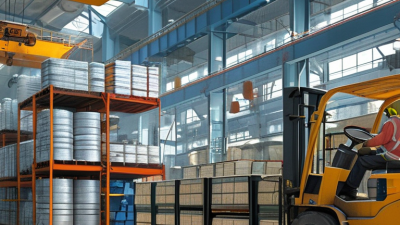
Global logistics requires more than a quoted freight cost. Confirm Incoterms, lead time, export packing, pallet dimensions, container loading, and moisture controls. Ask how delays, port changes, and damaged cartons are handled. Verify consistent customs documentation. Plan a pilot shipment before committing to annual volume. During one evaluation, technically strong material arrived late because production and shipping teams used different schedules. The lesson was uncomfortable: communication quality is part of product quality. Keep written approvals, inspection points, and backup routing in the sourcing file.

How to Choose the Right PVC Stabilizer for Global Sourcing? - Verify Supplier Quality, Documentation, and Global Logistics

Practical supplier-screening matrix for PVC heat stabilizers. Benchmarks are indicative and should be confirmed against the formulation, processing temperature, final article, and regulations in every destination market.

Evaluation Dimension Verification Metric Documents or Test Evidence to Request Recommended Benchmark for Global Sourcing Risk Signal
Stabilizer Chemistry Calcium-zinc, organotin, mixed-metal, or other formulation suitability Technical Data Sheet, formulation description, application guide, and compatibility statement for rigid or flexible PVC Select calcium-zinc systems where lead-free or low-toxicity requirements are important; select organotin systems only where high transparency, strong initial color, or demanding rigid-PVC performance is required. Generic product description with no chemistry, application range, or processing guidance
Thermal Stability Static heat stability, dynamic heat stability, and color retention Independent or internal test report showing test method, temperature, residence time, sample formulation, and color-rating method Compare suppliers using the same PVC resin, plasticizer level, lubricant package, processing temperature, and test duration. A valid result must be application-specific rather than a standalone headline value. Test result without formulation details or test conditions
Regulatory Compliance Compliance with destination-market chemical and product requirements Regulatory declaration, REACH status where applicable, restricted-substance declaration, heavy-metal statement, and product-specific compliance letter Obtain a written, product-specific declaration. Confirm requirements for lead, cadmium, organotin compounds, phthalates, food contact, drinking-water contact, toys, electrical products, or construction applications as applicable. “Non-toxic” or “eco-friendly” claim without legal scope, revision date, or substance list
Heavy-Metal Control Lead, cadmium, mercury, and hexavalent chromium content Batch-specific Certificate of Analysis, accredited laboratory report, and detection limits for regulated metals Use a lead-free specification where required and define numerical acceptance limits in the purchase contract. Verify the finished PVC article as well as the stabilizer when regulations apply to the finished product. Supplier tests only the raw stabilizer but does not address finished-article obligations
Batch Consistency Variation in appearance, active content, moisture, bulk density, and performance Three consecutive batch COAs, retained-sample policy, lot number, production date, and traceability procedure Require matching specifications across at least three recent commercial batches. Define acceptance limits for appearance, moisture, particle size or powder flow, and application performance. Only one laboratory sample is available, or COA values are identical across every batch
Physical Form and Handling Powder, granule, paste, or liquid form; dust and feeding behavior TDS, SDS, particle-size data where relevant, packaging specification, and recommended storage conditions Match the form to the dosing system. Packaging should protect against moisture and contamination and should clearly show product code, lot number, net weight, manufacture date, and expiry or retest date where applicable. Unlabeled inner bags, inconsistent net weight, or no storage and shelf-life information
Supplier Quality System Process control, corrective action, and change management Quality manual or certification scope, inspection plan, nonconformance procedure, change-notification policy, and audit questionnaire Require documented raw-material controls, in-process testing, final release testing, complaint response, and advance notification of changes to formulation, site, raw materials, or manufacturing process. No formal change-control process or refusal to provide quality-system evidence
Technical Validation Performance in the buyer’s actual PVC formulation and equipment Pre-shipment sample, laboratory trial record, extrusion or molding results, color data, torque profile, and agreed approval protocol Approve the material using the buyer’s own resin, additives, equipment, processing temperature, residence time, and finished-product criteria before commercial release. Supplier recommends dosage without requesting the PVC grade, processing conditions, or end-use requirements
Safety Documentation Hazard classification, exposure controls, and emergency information Current Safety Data Sheet in the destination-market language, transport classification, handling instructions, and first-aid information SDS should be current, product-specific, consistent with the label and invoice description, and reviewed before shipment. Confirm whether the material is regulated as dangerous goods for the selected transport mode. SDS is outdated, generic, incomplete, or inconsistent with the product packaging
Commercial Documentation Traceability and customs-readiness Commercial invoice, packing list, certificate of origin where required, COA, SDS, TDS, purchase-order reference, and lot details Every shipment should use consistent product descriptions, quantities, lot numbers, country-of-origin information, packaging details, and document versions. Confirm the correct customs classification with a broker. Product name, weight, origin, or lot number differs between shipping documents
Packaging and Shelf Life Moisture protection, pallet stability, and usable storage period Packaging drawing, pallet pattern, packaging-material declaration, shelf-life statement, and storage-condition specification Use sealed, moisture-resistant packaging suitable for the transport route. Store in a cool, dry place away from direct sunlight and incompatible materials, following the supplier’s SDS and TDS. Damaged bags, caking, leakage, missing pallet protection, or no defined storage period
Lead Time and Capacity Sample lead time, production lead time, monthly capacity, and allocation policy Capacity statement, production calendar, sample record, standard lead-time confirmation, and business-continuity plan Treat typical production lead times of approximately 2–6 weeks as planning estimates only. Confirm capacity for peak periods and obtain a written escalation process for delays. Capacity is stated only as “unlimited,” with no production schedule or continuity plan
Freight and Transit Planning Transport mode, route, transit time, and shipment-risk exposure Freight quotation, route plan, shipment terms, export packing specification, insurance option, and dangerous-goods confirmation Use ocean freight for planned bulk shipments and air freight only for urgent samples or shortages after confirming cost and transport classification. Build buffer time for port congestion, customs, and document corrections. Quotation excludes destination charges, customs clearance, insurance, or demurrage exposure
Quality Agreement Responsibilities, specifications, claims, and corrective actions Signed quality agreement, approved specification, inspection plan, complaint form, and corrective-action timeline Define lot acceptance, sampling method, retention samples, nonconformance handling, replacement or credit terms, response time, and customer notification for major changes. Purchase order contains price and quantity only, with no technical acceptance criteria
Total Landed Cost Material cost plus freight, duties, testing, warehousing, and quality risk Delivered-cost model, freight quote, duty estimate, testing budget, minimum-order quantity, and payment terms Compare suppliers using equivalent dosage and performance, not price per kilogram alone. Include rejected batches, rework, inventory carrying cost, customs fees, and expedited freight in the analysis. Lowest unit price is achieved through higher dosage, vague specifications, or excluded logistics costs
Final Supplier Approval Weighted score across quality, compliance, documentation, logistics, and cost Completed supplier questionnaire, sample-approval report, audit result, risk register, and management approval record Use a documented scorecard and require closure of critical findings before approval. Reassess suppliers periodically and after major formulation, site, regulatory, or logistics changes. Supplier is approved solely on quotation or sample appearance
Suggested decision rule: Approve when technical performance, regulatory documentation, batch traceability, and logistics controls are verified; Conditional approval when non-critical documents or tests remain open; Hold when critical compliance, SDS, identity, or batch-quality evidence is missing.

FAQS

What is the main role of a PVC stabilizer during processing?

It absorbs hydrogen chloride released by heat. This helps prevent discoloration, chain degradation, and brittleness.

Why should stabilizer selection begin with the application?

Rigid profiles and flexible cable insulation face different heat, shear, and residence-time demands. A catalog match may still fail in production.

Which factors should be defined before comparing stabilizers?

Record processing temperature, residence time, shear level, target color, screw design, and production speed. Small details matter.

When might calcium-zinc stabilizer systems be suitable?

They may suit many pipes, profiles, and cables. Confirm performance with the actual resin, additives, equipment, and regional requirements.

When are transparent products more demanding?

Selected transparent applications often need strong heat stability and low color change. Check initial color, long-term appearance, and odor.

What should a buyer request from a supplier?

Request a current technical data sheet, safety data sheet, certificate of analysis, and storage guidance. Also request batch consistency records.

How should a factory evaluate a stabilizer before purchasing globally?

Test at least three production lots using the buyer’s own equipment. Measure fusion time, torque, plate-out, color shift, heat aging, and mechanical results.

Why can laboratory testing give a misleading result?

A short test may pass while repeated runs darken the material. Die temperature, ventilation, screw design, and speed can change results.

What storage and compliance checks are important?

Check humidity, storage conditions, destination-market restrictions, and documented requirements for sensitive applications. A dry-climate result may not transfer perfectly.

What is the risk of choosing the cheapest stabilizer?

Lower purchase cost can create more scrap, unstable color, or processing interruptions. The uncomfortable lesson is that cheap may become expensive.

Conclusion

Choosing the right Pvc Stablizer is essential for achieving stable processing, reliable performance, and long-term durability in PVC products. Start by understanding how stabilizers protect polymers from heat, discoloration, and degradation during manufacturing. Then define the specific requirements of the application, including processing temperature, color retention, weather resistance, mechanical performance, and intended service life. Different systems, such as calcium-zinc, organotin, and lead-based stabilizers, offer distinct advantages and limitations, so selection should consider both technical performance and responsible material choices.

A complete evaluation should also cover regulatory, safety, and environmental expectations in the target market. Check the stabilizer’s compatibility with the PVC formulation, recommended dosage, processing equipment, and production conditions. Before making a final decision, verify supplier quality systems, technical documentation, test data, traceability, packaging, delivery reliability, and international logistics capabilities. A well-qualified supplier should provide consistent products and clear guidance, helping manufacturers reduce processing risks while meeting application, compliance, and sustainability goals.

Lila

Lila

Lila is a dedicated marketing professional at Qingdao Yihoo Polymer Technology Co., Ltd., where her deep expertise in polymer technology plays a crucial role in driving the company's success. With a strong background in research and development as well as sales, Lila ensures that clients receive......
Previous 2026 Best Optical Brightener Suppliers for Global Buyers