Choosing a Light Stabilizer in 2026 isn’t just about matching labels or brands. It’s really about making the right call based on how your product will perform, the environment it’s in, and how long you need it to last. For example, a clear polymer film sitting in direct sunlight needs a different kind of protection compared to a dark outdoor fitting that faces heat and humidity. Little details actually make a big difference—things like wall thickness, the pigments you choose, your processing temps, and how it interacts with other additives. All these factors can change how well it holds up.
Gary Wypych’s Handbook of UV Degradation and Stabilization offers some solid insights into weathering and stabilization, which can help when you're trying to evaluate options. A simple guideline based on that is: 'Match the stabilizer package to the exposure conditions and the material.' Just a heads-up, that’s more of a summary than a direct quote—it's important to get the details right rather than taking everything at face value.
In this guide, I’ll walk you through comparing common options like hindered amine light stabilizers and UV absorbers. I’ll also touch on things like compatibility, how much you should use, testing methods, and what kind of info suppliers should provide. When you’re shopping around, ask for data that’s relevant to your specific resin and application—not just the shiny marketing charts. Accelerated weather tests can give you a good idea, but they’re not perfect; they won’t replicate every real-world condition exactly. And sometimes, a simple chart can be misleading.
Plus, keep in mind that by 2026, factors like recycled content and new formulations might introduce extra variables to consider. So, doing trial batches and reviewing results carefully is still the way to go. There’s no one-size-fits-all answer. The best Light Stabilizer is the one that keeps your product protected reliably, no matter the material, color, or environment it’s exposed to.
What Light Stabilizers Do and How They Protect Materials
How to Choose the Right Light Stabilizer in 2026?
What Light Stabilizers Do and How They Protect Materials
Sunlight can fade a colored plastic chair, crack a cable jacket, or weaken a clear film. Light stabilizers slow this damage, but they do not make materials immune to sunlight. Ultraviolet absorbers take in damaging UV energy and release it as heat. Hindered amine light stabilizers help interrupt the oxidation reactions that can cause fading and surface cracking. Different jobs need different protection.
Testing conditions matter. NREL’s ASTM G173-03 reference solar spectrum represents roughly 1,000 watts per square meter of total irradiance under standard terrestrial test conditions. This gives laboratories a useful benchmark for comparing exposure tests. It does not predict a product’s exact outdoor lifetime. Shade, surface temperature, moisture, and local sunlight can change the result.
Choose a stabilizer for the material, its color, thickness, and expected environment. A thin outdoor film may need strong UV screening, while a molded part may benefit from radical-scavenging protection. Check compatibility, processing temperature, and whether the additive affects clarity or color. Ask for weathering data on the finished formulation, not just the additive alone. Lab results are helpful, but real conditions can be stubbornly different. A small outdoor trial may reveal issues the test chamber missed.
Identify the Polymer, Product, and Intended Service Life
How to Choose the Right Light Stabilizer in 2026?
Identify the Polymer, Product, and Intended Service Life
Start with the polymer, not a generic “outdoor” label. Polyolefins, PVC, and polycarbonate respond differently to ultraviolet exposure and heat. The product matters too: a clear panel, colored film, and molded outdoor fitting have different needs. Consider pigments, thickness, processing temperature, and whether appearance or mechanical strength matters most. Small details matter. A stabilizer that works well in one formulation may affect clarity, color, or processing in another.
Tips: Write down the polymer, product thickness, exposure conditions, and expected service life. Note whether the product faces direct sun, reflected light, moisture, or repeated heat. These details help narrow the options before supplier discussions or lab trials.
Choose a stabilizer system suited to the expected exposure and the product’s practical lifespan. A short-lived packaging film may not need the same protection as a component expected to remain outdoors for years. It is tempting to select the strongest-sounding option, but that can overlook compatibility and cost. Review technical data, then test samples using relevant weathering conditions. Accelerated tests can compare formulations, but they cannot promise an exact number of outdoor years. Real exposure varies by climate, orientation, and use. I would treat test results as useful evidence, not a perfect forecast.
Map Exposure to Sunlight, Heat, Moisture, and Weather
Map the actual exposure before selecting a light stabilizer. A south-facing panel in Arizona faces intense UV and heat; a greenhouse film may get less direct sun but repeated condensation. The WHO’s UV Index guidance recommends sun-protection measures at index 3 or higher. That index helps describe human UV risk, though it does not predict polymer lifetime. Use it as context, not a substitute for material testing. A Hals Light Stabilizer may help limit UV-driven degradation, but the right chemistry depends on the polymer, pigments, thickness, and intended service life.
Heat and moisture change the picture. The WMO’s State of the Global Climate 2024 report put global mean temperature about 1.55°C above the 1850–1900 average, underscoring why heat exposure belongs in the test plan. Record surface temperature, wet-dry cycles, and local pollutants, not just annual sunshine. For outdoor parts, compare accelerated weathering results with real-use samples; ASTM G154 fluorescent UV exposure can support screening, but cannot reproduce every climate. There is no perfect match. I would also check color shift, cracking, and impact strength after exposure, because a sample can look fine while becoming brittle. When evidence is limited, extend field trials rather than assuming one lab cycle predicts years outdoors.
Compare Stabilizer Types for the Target Application
How to Choose the Right Light Stabilizer in 2026?
Compare Stabilizer Types for the Target Application
Start with the polymer, product thickness, and exposure conditions. A clear outdoor film needs a different approach from a thick, pigmented pipe. UV absorbers mainly screen harmful radiation; hindered amine light stabilizers, or HALS, interrupt degradation reactions. They can work together, but compatibility and processing heat matter. Fit matters. A stabilizer that performs well in a laboratory plaque may behave differently in a thin, stretched film.
Plastics Europe’s Plastics—the Fast Facts 2024 report estimated global plastics production at 413.8 million tonnes in 2023. That scale makes application-specific durability testing important, not optional. For transparent parts, check whether an absorber affects clarity or color. For outdoor polypropylene, evaluate HALS retention and interaction with pigments or other additives. Compare results from weathering tests, such as ASTM G154 exposure, then inspect color change, cracking, and strength loss. Ask for data on the actual resin and formulation. A generic test sheet is only a starting point. I would also question claims based on one exposure cycle; real sunlight, moisture, and temperature rarely arrive neatly separated.
Check Compatibility, Processing Needs, and 2026 Regulations
Choosing a Light Stabilizer (Ls/Hals) starts with the polymer, not a product label. Check compatibility with the resin, pigments, fillers, and other additives in your formulation. A stabilizer that works in clear film may cause haze or color shifts in a filled part. Run a small trial using your actual materials. Look closely.
Processing conditions matter just as much. Record melt temperature, residence time, and any repeated heating during recycling or rework. Then check for discoloration, surface deposits, migration, and changes in mechanical performance. A short laboratory test may not predict a full production run, so compare trial samples with parts made under normal line conditions. This takes patience.
For 2026, review the current chemical and product requirements in every market where the material will be sold. Requirements can depend on the application, especially when food contact or other restricted uses are involved. Request current safety data, compliance declarations, and supporting test information from your supplier. Confirm that the documents match your exact formulation and intended use. Rules can change, and an older approval may not cover a revised recipe. Keep dated records, and verify uncertain points with a qualified regulatory specialist.
Test Performance Under Realistic Aging Conditions
Choose a light stabilizer by testing the finished product, not by relying on one supplier’s additive data. A dark outdoor panel, a clear film, and a molded chair face different heat, moisture, and radiation stresses. ISO 4892-2 describes xenon-arc exposure with water, while ASTM G154 Cycle 1 specifies eight hours of UV at 60°C followed by four hours of condensation at 50°C. These are useful benchmarks, not direct predictions of years outdoors. Test the actual resin, pigment, thickness, and processing conditions.
Track more than color. Measure gloss, impact strength, and tensile retention at intervals, and inspect cut edges for cracking or chalking. Hindered Amine Light Stabilizer (Hals) can help interrupt degradation reactions, but its performance depends on the polymer and the rest of the formulation. Compare it with a UV absorber where appropriate, using identical specimens and exposure cycles. Small differences in specimen thickness can distort results. Be cautious.
A chamber cannot reproduce every field condition. Salt spray, dust, and real temperature swings may change outcomes, so outdoor panels can still be valuable. Record the lamp type, irradiance, temperature, humidity, and spray cycle; without these details, comparisons are weak. A result that looks convincing after one exposure interval may not hold after longer aging. That uncertainty deserves attention.
How to Choose the Right Light Stabilizer in 2026? Test Performance Under Realistic Aging Conditions
Terrestrial sunlight is predominantly UVA, but the smaller UVB share can also contribute to material damage. These approximate shares provide context for designing exposure tests; actual levels vary with location, season, altitude, cloud cover, and solar elevation.
When comparing stabilizers, test the same material formulation under controlled light, temperature, and moisture conditions, then measure properties such as color change, gloss, and mechanical-property retention. Approximate terrestrial UV proportions: World Health Organization, “Ultraviolet radiation.”
Select a Stabilizer Using Cost, Durability, and Supply Criteria
Choosing a light stabilizer in 2026 starts with the part’s expected service life. Compare total cost, not just price per kilogram. Higher dosage, added processing steps, or early replacement can erase initial savings. Ask for dosage guidance, compatibility data, and weathering results for a similar resin and color. Test finished samples under relevant UV, heat, and moisture conditions. Accelerated exposure aids comparison, but it cannot fully predict field performance.
Durability depends on the application, not only the additive’s test results. Consider the part’s color, thickness, exposure, and contact with other materials. A stabilizer suited to outdoor panels may not be the best choice for thin, colored components. Availability matters too. Check normal lead times, minimum order quantities, documentation, and how suppliers communicate formulation changes. A technically strong option is less useful when deliveries are inconsistent. That trade-off is not always neat.
Tips: Compare two or three candidates using the same resin, dosage range, and processing conditions. Record both initial cost and test results. Ask whether supply can be maintained across repeat orders, and keep a qualified alternative where practical. Small differences matter. Revisit the choice when the product or sourcing conditions change.
China UV292 Suppliers: Product Overview, Applications, and Sourcing Guide for CAS 41556-26-7 and 82919-37-7
China UV292 Suppliers: Product Overview, Applications, and Sourcing Guide for CAS 41556-26-7 and 82919-37-7
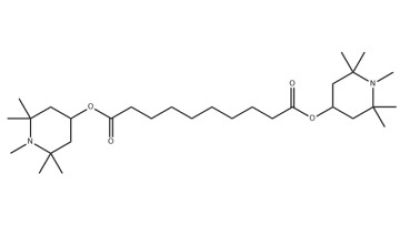
UV-292 is a light-stabilizer product associated with CAS 41556-26-7 and 82919-37-7, supplied as a light yellow viscous liquid for industrial use. It is used in formulations for plastics and coatings, where light stabilizers can help limit degradation and preserve appearance during exposure to sunlight. PlasticsEurope’s *Plastics—The Fast Facts 2024* reports global plastics production of 413.8 million tonnes in 2023, illustrating the scale of the materials sector in which weathering performance is an important consideration.
When sourcing UV-292 from China, buyers can assess product suitability by requesting a current technical data sheet, certificate of analysis, and batch-specific information on appearance, composition, and quality-control testing. Confirm that the supplied documentation identifies both CAS numbers where relevant, and discuss storage, packaging, and handling requirements with the supplier before placing an order. For production trials, evaluate the material in the intended resin or coating formulation, since performance depends on factors such as dosage, processing conditions, and exposure environment.
A China-based supplier with a modern manufacturing facility can support industrial procurement through consistent production and documented quality controls. Compare suppliers on specification transparency, batch consistency, technical communication, and delivery arrangements, rather than relying on product name alone.
Conclusion
Choosing the right Light Stabilizer in 2026 begins with understanding what the material is made of, how the finished product will be used, and how long it must perform. Different polymers and applications face different combinations of sunlight, heat, moisture, and changing weather, so exposure conditions should guide the selection. Comparing stabilizer types helps identify options suited to the material and its service environment, while compatibility with other ingredients and processing requirements can affect both performance and product quality.
Before making a final choice, assess relevant regulatory requirements and test candidate formulations under aging conditions that reflect real use. Consider not only initial cost but also expected durability, replacement needs, and dependable supply. A careful evaluation of these factors can help balance protection, practicality, and long-term value, leading to a stabilizer choice that fits the product’s specific demands.