Polymeric materials deployed in demanding environments undergo continuous chemical and physical stress. When polymers such as polyamides (PA), polycarbonates (PC), polyurethanes (PU/TPU), and polyolefins are exposed to elevated temperatures in the presence of oxygen over extended operational cycles, they trigger a catastrophic thermo-oxidative degradation cascade.
This process initiates with carbon-hydrogen bond scission, forming highly reactive alkyl radicals (R•). Rapid reaction with atmospheric oxygen creates alkylperoxyl radicals (ROO•), which abstract hydrogen atoms from adjacent polymer backbones, generating unstable hydroperoxides (ROOH) and newly activated polymer radicals. Without targeted chemical interruption, this self-propagating chain reaction leads to molecular weight loss, chain scission, severe embrittlement, matrix discoloration, surface cracking, and total mechanical failure.
Long-Term Thermal Stabilization (LTTS) addresses this critical industrial challenge by intercepting free radical propagation throughout the polymer’s anticipated lifecycle—ensuring structural integrity under continuous service temperatures ranging from 80°C to upwards of 220°C.
Sterically hindered phenols and secondary aromatic amines act as radical scavengers. They rapidly donate sterically shielded active hydrogen atoms to ROO• and RO• radicals, forming stabilized, non-reactive phenoxyl radicals that terminate the auto-oxidation cycle.
Organophosphites and organosulfur thioesters react selectively with transient hydroperoxides (ROOH), converting them into inert, non-radical alcohols and stable oxidized by-products, preventing homolytic peroxide cleavage at elevated temperatures.
By combining sterically hindered phenolic antioxidants with high-temperature phosphites, thioethers, and hindered amine light stabilizers (HALS), synergistic multi-component packages achieve exponential longevity over single-molecule additives.
High-voltage battery enclosures, busbar insulation, high-current connectors, and charging infrastructure demand high Relative Thermal Index (RTI) ratings. Polymers must maintain mechanical and dielectric properties continuously under high heat without outgassing.
Post-consumer recycled (PCR) and post-industrial recycled (PIR) engineering plastics suffer from accumulated thermal history and oxidative damage. Advanced LTTS additives regenerate degraded polymer backbones for high-value compounding.
Stringent interior air quality regulations (such as VDA 278, GMW3059, and GB/T 27630) require antioxidant additives with high molecular weight, low volatility, zero blooming, and negligible odor contribution for automotive cabins.
The global demand for high-efficiency antioxidant additives is shifting rapidly toward tailor-made, multi-functional stabilizing chemistries. As original equipment manufacturers (OEMs) replace structural metals with lightweight high-performance thermoplastics, operational thermal envelopes are expanding. Polymers are now expected to endure continuous exposure to aggressive engine compartments, high-intensity LED junctions, electrical power trains, and extreme industrial processing conditions without compromising dimensional stability or aesthetic appearance.
Furthermore, sustainability mandates under REACH, RoHS, and global carbon reduction frameworks have accelerated the shift away from volatile, legacy stabilizers toward polymeric, high-molecular-weight, non-migrating antioxidant systems. These modern stabilizer packages ensure minimal environmental leaching and complete compliance with global environmental protocols.
Polyamides are widely used in automotive under-the-hood components, turbocharger ducts, and electrical terminal blocks. Under prolonged thermal exposure above 120°C, polyamide chains undergo rapid photo- and thermo-oxidation driven by amide group degradation. Specialized antioxidant systems, including copper-free organic stabilizers and phenolic-phosphite synergists, preserve tensile retention, prevent surface carbonization, and eliminate galvanic corrosion in electrical contacts.
Polycarbonate resins require exceptional optical clarity and impact resistance in automotive headlamps, smart sensor radomes, and electronic housings. Thermal degradation introduces quinoid chromophores causing yellowing (Yellowness Index increase) and molecular weight degradation. Custom PC thermal stabilization packages protect optical clarity and impact strength during severe thermal molding and long-term service.
Thermoplastic polyurethane (TPU) for footwear, cable jacketing, and automotive seating foams are prone to core discoloration (scorching) and flexibility loss during high-temperature exothermic foaming and prolonged usage. Advanced non-staining phenolic and liquid amine-based antioxidant systems maintain resilience, dynamic mechanical properties, and hydrolytic stability.
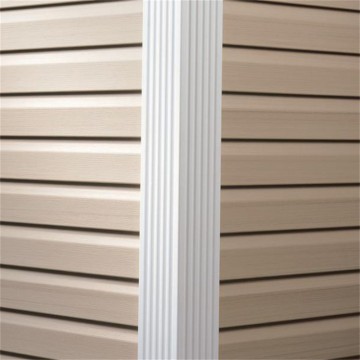
PVC requires specialized anti-aging and thermal stabilization to inhibit dehydrochlorination and conjugated polyene formation. In high-performance architectural and industrial coatings, antioxidant additives prevent crosslink embrittlement, matrix chalking, and gloss degradation exposed to radiant heat and atmospheric oxygen.
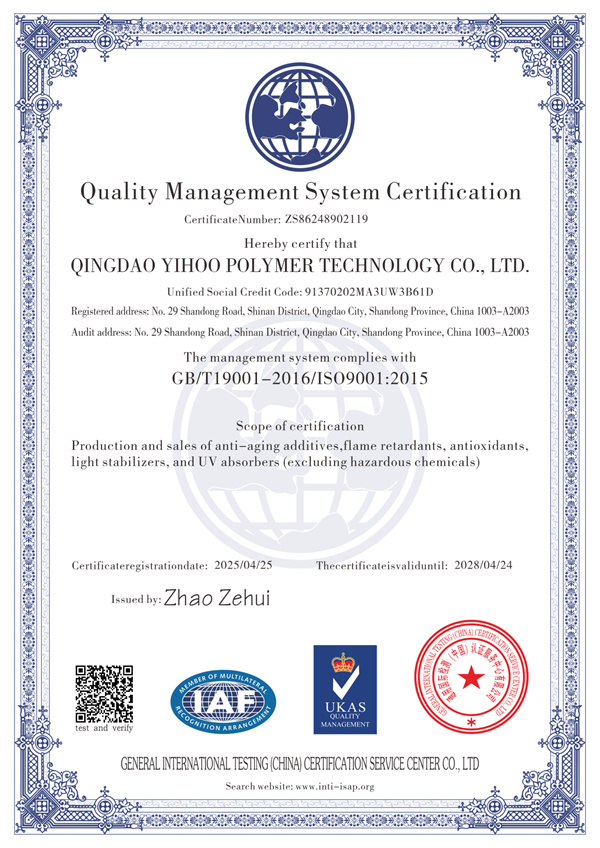
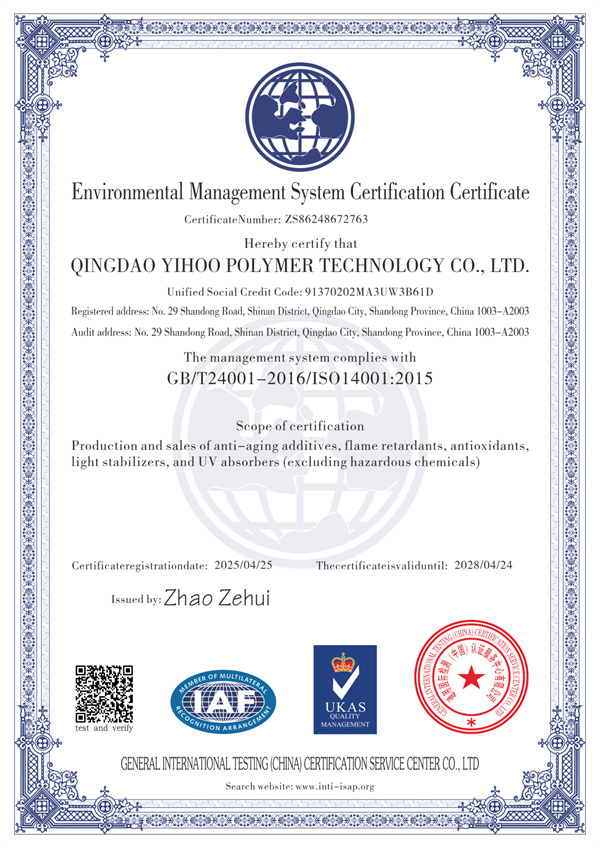
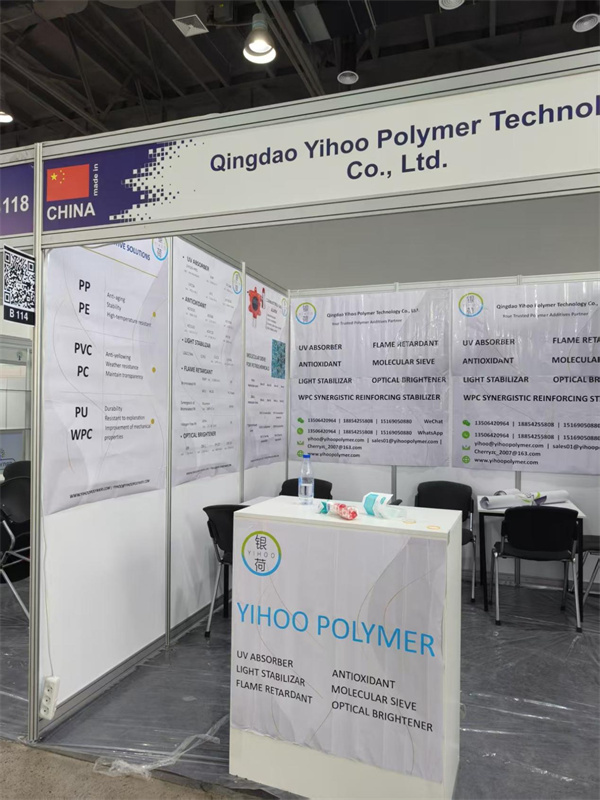
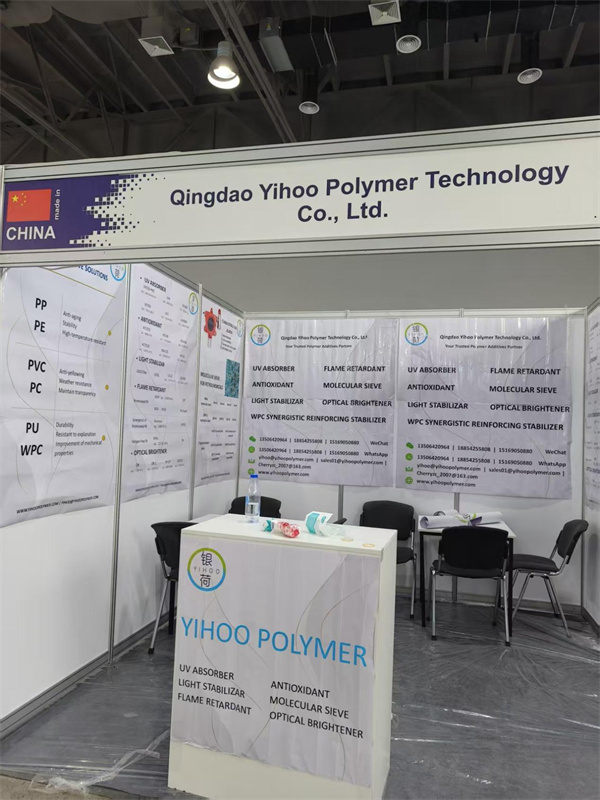
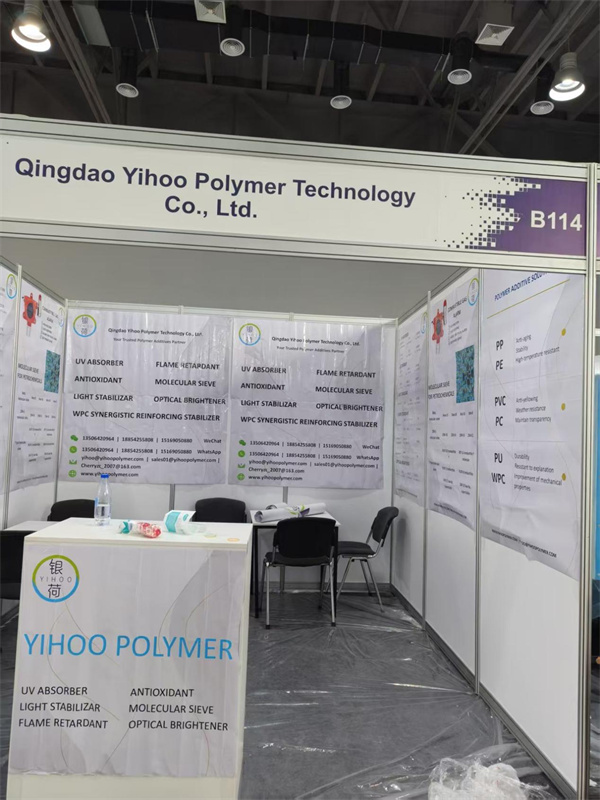
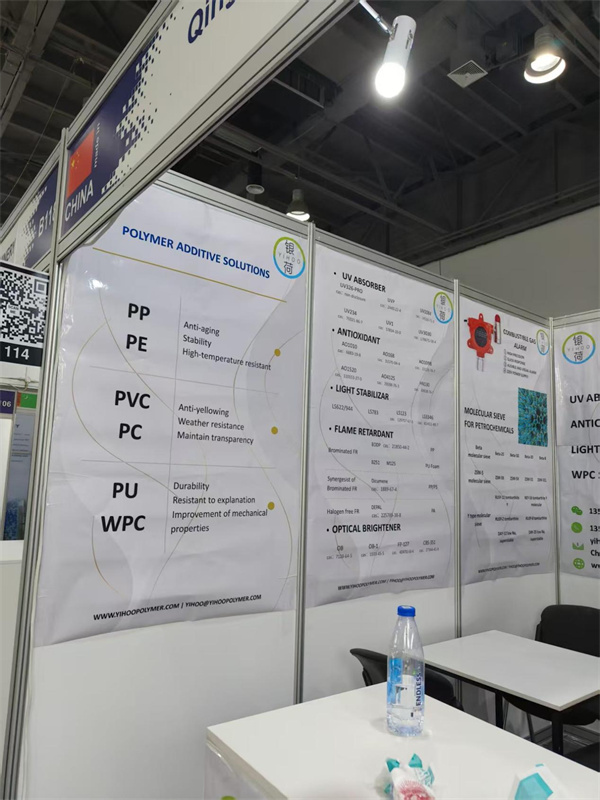
Qingdao Yihoo Polymer Technology Co., Ltd., located in Qingdao City, is an integrated enterprise with robust R&D and global sales capabilities. The company has offered service to hundreds of customers in and out of China, owing to the advantages of convenient transportation and logistics of the seaside city.
To provide polymer additives in more specific applications, the company has established a comprehensive product series covering diverse applications: PA polymerization & modification additives, PU foaming additives, PVC polymerization & modification additives, PC modification additives, TPU elastomer modification additives, low VOC automotive trim additives, textile finishing agent additives, coating additives, cosmetics additives, API & intermediates, and other chemical products like zeolite.
The company offers complete systemic series (from UV absorbers and antioxidants to flame retardants) instead of single isolated products, ensuring that global customers enjoy a seamless one-stop technical service. In order to meet the demand of "new and old kinetic energy conversion" and the elevated requirements for advanced material modification worldwide, we offer customized formula packages and molecular-modified products tailored to exact client requirements.

The company insists on the philosophy of ‘appreciation, responsibility’ at all times. ‘Appreciation’ means we should be grateful for what we get; ‘responsibility’ means we take every customer and order sincerely. Inspired by this philosophy, the company consistently provides top-quality products and professional service to every customer.
The company pays close attention to the R&D and supply of auxiliaries in subdivided fields. We focus on four main application fields: PA, PU (including TPU elastomer on shoes), PVC, and low VOC automotive trim additives, supplying auxiliaries in polymerization, anti-aging, and anti-flaming.
The company has cooperated with R&D centers in Mainland and Taiwan China, providing customized products, molecular synthesis, and optimized formula packages tailored to specific polymer systems.
Customers benefit from one-pack synergistic products as well as comprehensive one-pack technical support, simplifying compounding processes, reducing metering errors, and improving production efficiency.
Relying on shipping capacity advantages at Shanghai and Qingdao ports, we efficiently deliver global orders. At the same time, we maintain inventory for conventional orders in warehouses at both ports.